Ants are among the most persistent and frustrating household pests facing property owners in Singapore. From high-rise apartments and modern condominiums to established HDB estates, thousands of residents deal daily with long ant trails marching across kitchen counters, lining bathroom tiles, and moving along balcony walls.
Many homeowners try to solve the problem using quick DIY fixes, but retail insect sprays and home remedies only offer temporary relief. To solve an ant problem for good, you need an advanced strategy. Relying on an expert ant exterminator Singapore team allows you to locate the hidden nests and eliminate the root of the problem: the queen.
The Hidden Danger of DIY Retail Ant Sprays
When homeowners spot an ant trail near their food or appliances, their first reaction is usually to grab a standard aerosol bug spray. While this instantly kills the visible worker ants on your counter, it often backfires and makes the overall infestation worse. This happens through a natural survival response known as “budding.”
DIY Spray Applied ➔ Worker Ants Die ➔ Colony Senses Threat ➔ Queen Splits the Nest ➔ Multiple New Nests Form
Certain invasive species common in Singapore, such as the Pharaoh Ant, have multiple queens within a single colony. When they detect a toxic chemical spray, the colony goes into survival mode and splits apart. The surviving queens scatter in different directions and set up multiple new sub-colonies inside your walls, false ceilings, and electrical panels. What started as a small, localised issue in your kitchen can quickly turn into a widespread, multi-room infestation.
To prevent this from happening, professional ants pest control Singapore strategies use specialised, slow-acting gel baits instead of harsh repellent sprays. Worker ants mistake these baits for food and consume them, but they do not die right away. Instead, they carry the active ingredient back to the heart of the nest, sharing it with the rest of the colony and the queen. This ensures total colony elimination from the inside out.
Common Local Ant Species and Their Unique Nesting Habits
An effective pest treatment plan must begin with accurate species identification. Different types of ants have distinctly different dietary habits, tracking patterns, and nesting preferences. Treating them all the same way leads to poor results:
1. Pharaoh Ants (Monomorium pharaonis)
These tiny, yellowish-brown ants are notorious for nesting indoors. They avoid open spaces and prefer warm, hidden structural voids, including electrical outlets, internal appliance motors, and areas behind kitchen backsplashes. They crave proteins and fats, completely ignoring sweet sugar baits, which makes them very difficult to clear without commercial-grade solutions.
2. Crazy Ants (Paratrechina longicornis)
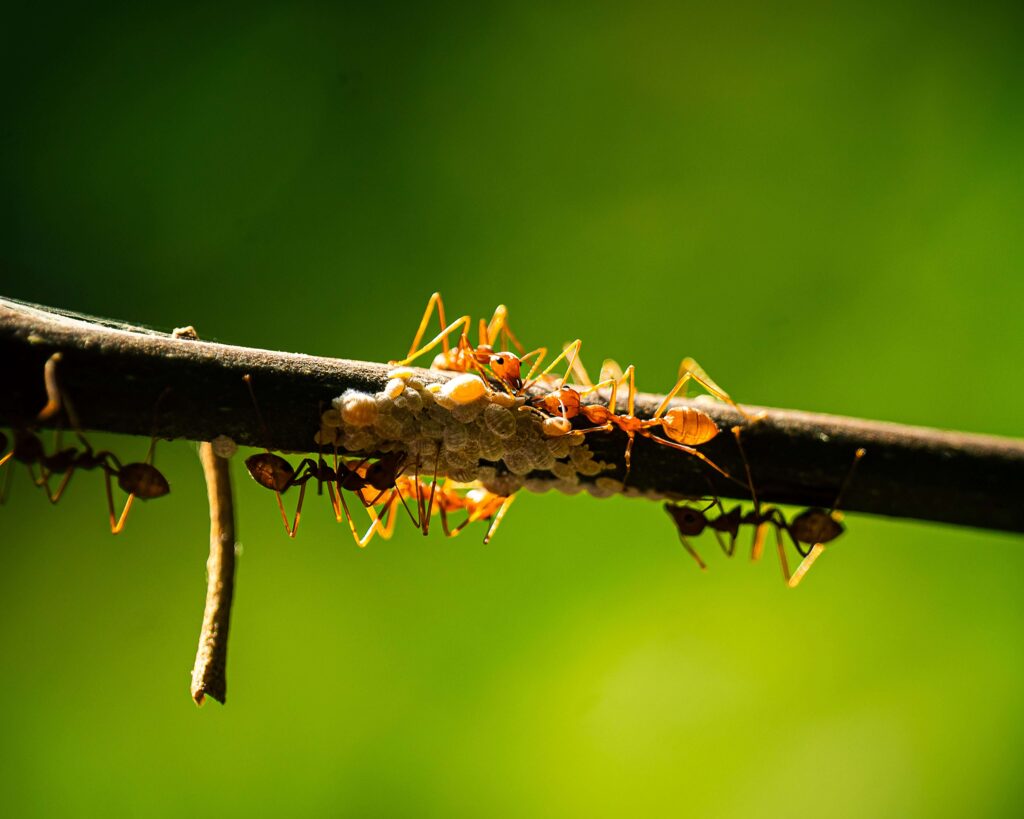
Named for their frantic, unpredictable movements when disturbed, these dark brown to black ants have long legs and antennae. They actively look for sugary items and commonly invade properties from outside, traveling through window tracks, balcony doors, and brick masonry cracks.
3. Black House Ants (Ochetellus)
These shiny black pests are highly attracted to sweet foods, dropped fruit juices, and unsealed pantry items. They regularly set up trails leading directly from external trash chutes or potted plants straight into your kitchen sinks and garbage bins.
The Step-by-Step Professional Ant Eradication Process
Hiring an expert ant pest control Singapore service brings a structured, multi-step process to your home that completely clears out the infestation:
Step 1: Detailed Trail and Source Identification
A trained technician does not just spray your baseboards. They perform a thorough inspection, following active foraging trails back to their source to find out exactly where the ants are entering your home.
Step 2: Targeted Placement of Specialised Baits
Using their knowledge of the specific ant species, the exterminator places specialised, non-repellent gel baits directly along active paths. These baits are carefully placed in hidden cracks and crevices, keeping them safe from everyday activity while ensuring maximum pick-up by foraging worker ants.
Step 3: Perimeter Defense Barriers
To keep external colonies from moving into your living space, technicians apply a protective residual barrier around common entry points, such as window frames, main doorways, and shared utility chutes.
Step 4: Long-Term Prevention Guidance
After the treatment is complete, your technician will point out specific areas that need attention to prevent future problems. This includes sealing small cracks around plumbing pipes, managing standing moisture in bathrooms, and storing dry foods in airtight containers.
By trusting a locally established team with the proper tools, local experience, and NEA licensing, you can protect your home from persistent pests and enjoy a clean, comfortable, and ant-free living space.
Frequently Asked Questions
Even very clean homes can experience ant problems. In Singapore’s hot and humid weather, ants often move indoors looking for water, moisture, or relief from heavy rains. Once a single scout ant finds a moisture source behind your sink or a tiny crumb behind an appliance, it leaves a chemical scent trail that guides the rest of the colony directly into your home.
Yes, absolutely. Professional technicians apply these specialised gel baits deep inside structural cracks, wall crevices, and utility voids that are completely out of reach of children and curious household pets.
You will usually notice a major reduction in visible ant activity within 3 to 5 days after the professional baiting treatment is applied. It takes about 10 to 14 days for the slow-acting bait to be shared completely throughout the colony and destroy the main nest.
You can clean your main countertops, but you must avoid wiping down or disturbing the specific cracks, corners, or spots where the technician applied the gel bait. Cleaning those areas will remove the bait and stop the worker ants from carrying it back to the nest.