
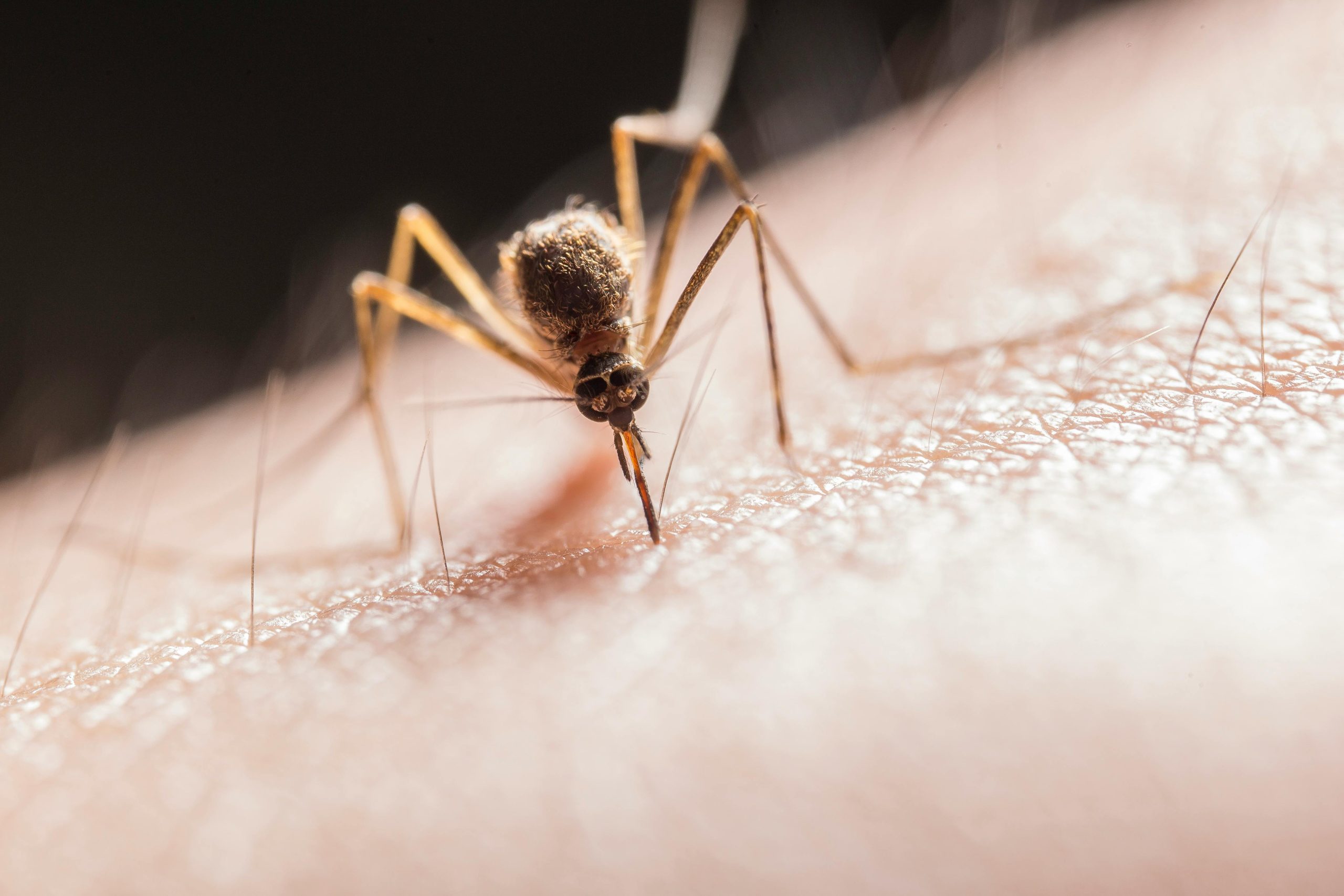
Mosquitoes are more than just a nuisance in Singapore; they are a serious health risk due to the potential spread of diseases like dengue fever and Zika virus. With Singapore’s warm, tropical climate, mosquitoes thrive year-round, making prevention and control essential. This guide provides you with all the information you need for effective mosquito prevention, treatment, and control to help keep your family and home safe. For professional assistance, Conquer Pest offers comprehensive mosquito control solutions.
Types of Mosquitoes in Singapore
Singapore is home to several species of mosquitoes that pose health risks due to their role in transmitting diseases. The following are the key mosquito species in Singapore, each with unique characteristics and public health implications.
1.Aedes Aegypti
- Appearance: Black with distinctive white markings on its legs and a white lyre-shaped pattern on the upper thorax.
- Disease Transmission: Primarily responsible for the spread of dengue fever, Zika virus, and chikungunya.
- Habitat: Often breeds in urban areas, favoring man-made containers filled with stagnant water, such as flowerpots, buckets, and gutters.
- Activity: Primarily active during early morning and late afternoon, making them a prominent threat in residential and urban settings.
2. Aedes Albopictus (Asian Tiger Mosquito)
- Appearance: Recognizable by its black and white striped pattern, similar to the Aedes aegypti but typically larger in size.
- Disease Transmission: Known carrier of dengue, Zika, and chikungunya, though less efficient than Aedes aegypti in spreading these diseases.
- Habitat: Found in both rural and urban environments; commonly breeds in natural and artificial containers with stagnant water.
- Activity: Most active during daylight hours, particularly early in the morning and late afternoon.
3. Culex Quinquefasciatus (Southern House Mosquito)
- Appearance: Brownish in colour, without the black-and-white markings characteristic of Aedes mosquitoes.
- Disease Transmission: Known vector of West Nile virus, lymphatic filariasis, and Japanese encephalitis.
- Habitat: Prefers polluted or stagnant water, often found breeding in open drains, septic tanks, and other unclean water sources.
- Activity: Nocturnal, mainly active after dusk, posing a higher risk indoors and around homes in the evening.
4. Anopheles Sundaicus
- Appearance: Brownish and recognized by its unique resting angle of 45 degrees on surfaces.
- Disease Transmission: Primary malaria vector in Southeast Asia, although malaria cases in Singapore are relatively rare.
- Habitat: Often found in coastal or brackish water, such as swamps, mangroves, and fishponds.
- Activity: Active at night, which increases the risk of malaria transmission in areas where Anopheles mosquitoes are prevalent.
5. Anopheles Maculatus
- Appearance: Brownish in colour and similar in appearance to Anopheles sundaicus, with a unique 45-degree resting posture.
- Disease Transmission: Also capable of transmitting malaria, though less common in urban areas of Singapore.
- Habitat: Primarily breeds in clear water, such as streams, ponds, and rice paddies, and is more prevalent in rural regions.
- Activity: Active at night, mainly after dusk, and poses risks in areas with natural water sources.
By understanding the different mosquito species present in Singapore, residents can better identify and prevent potential health risks associated with each type. For comprehensive mosquito control, visit Conquer Pest’s mosquito control page for specialised treatment options against these mosquito species.
Signs of Mosquito Infestations
Mosquito infestations can develop quickly, especially after periods of rain or high humidity. Here are some signs to watch out for:
- Frequent Bites: If you’re noticing multiple bites, especially indoors, this could be a sign of infestation.
- Buzzing Sounds: Mosquitoes make a distinctive buzzing sound, which is often a clear indicator of their presence.
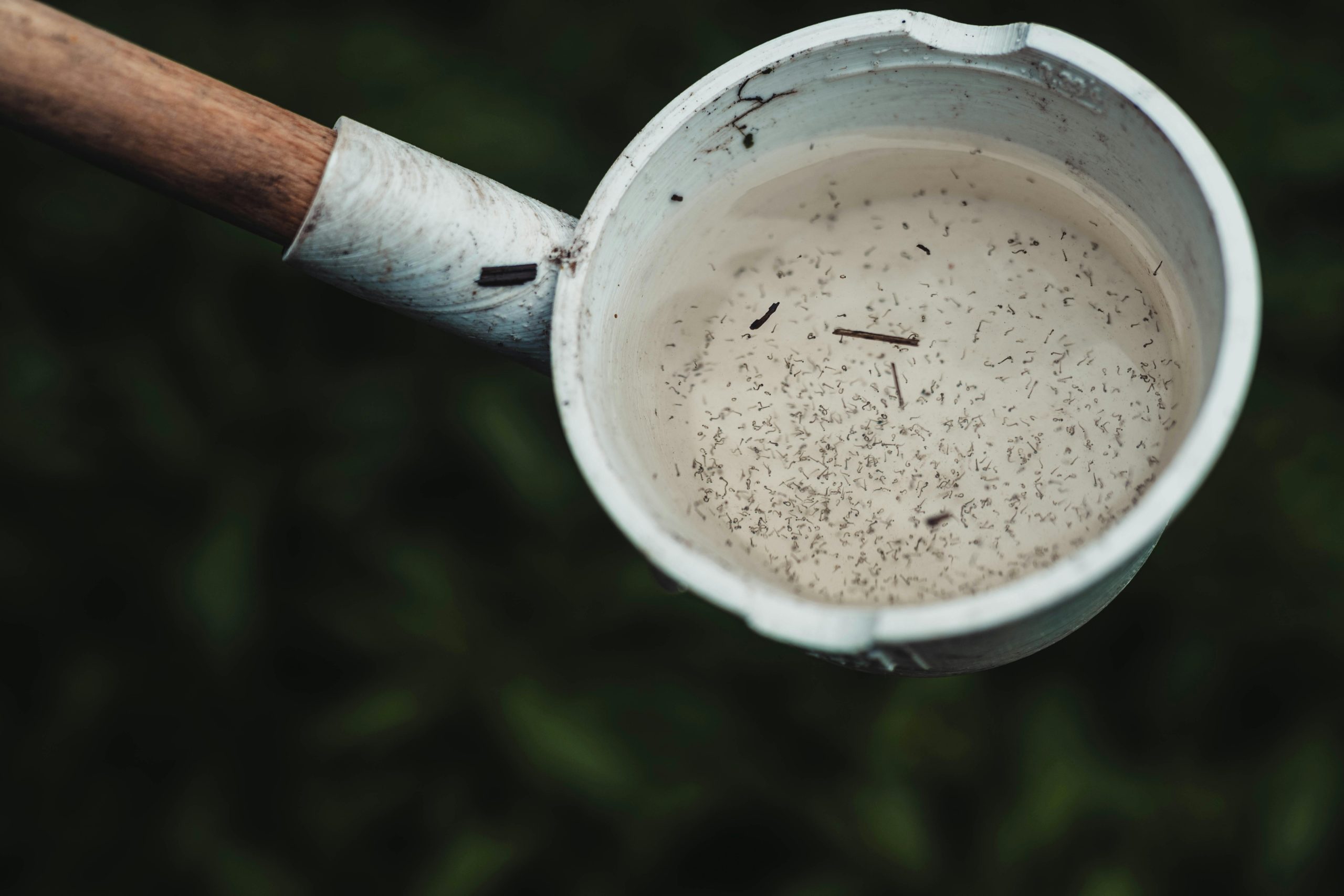
- Visible Larvae: Mosquito larvae, often called “wrigglers,” can be spotted in standing water, such as potted plant saucers or stagnant drains.
Regularly checking for these signs can help in detecting an infestation early.
Life Cycle and Biology
The mosquito life cycle comprises four stages: egg, larva, pupa, and adult.
- Egg: Female mosquitoes lay eggs in stagnant water. The eggs can remain viable for months if the conditions are not conducive for hatching.
- Larva: When the eggs hatch, they become larvae and live in water, feeding on microorganisms.
- Pupa: The larvae then develop into pupae, where they undergo transformation.
- Adult: After a few days, adult mosquitoes emerge, ready to feed and breed.
Understanding their life cycle helps in identifying key points where control measures can be most effective.
Medical Importance
Mosquitoes are not just irritating; they are also vectors for a variety of diseases in Singapore:
- Dengue Fever: Transmitted by the Aedes mosquito, dengue can cause severe flu-like symptoms, and in some cases, it can be fatal.
- Zika Virus: Also spread by Aedes mosquitoes, Zika can cause mild symptoms but poses risks to pregnant women due to the potential of birth defects.
- Chikungunya: This virus causes fever and severe joint pain and is spread by Aedes mosquitoes.
- Malaria: Although less common, Anopheles mosquitoes can transmit malaria, which is known to cause fever, chills, and severe complications if untreated.
Recognizing the health risks can help emphasize the importance of preventive and control measures. For those dealing with recurring mosquito problems, consider consulting a pest control expert for more targeted strategies.
Symptoms of Mosquito-Related Diseases
The symptoms of mosquito-borne diseases can vary, but here are some of the common indicators:
- Fever and Headache: Both dengue and chikungunya present with high fevers and throbbing headaches.
- Joint and Muscle Pain: Chikungunya and dengue can cause severe joint and muscle pain, often lasting weeks.
- Rash and Red Eyes: A red rash and conjunctivitis are common symptoms of Zika and dengue.
- Fatigue and Nausea: Many mosquito-borne illnesses come with symptoms of nausea, vomiting, and extreme fatigue.
If you experience these symptoms, especially after mosquito bites, seek medical attention promptly.
Ways to Prevent Mosquito Bites
Preventing bites is essential in reducing the risk of mosquito-borne illnesses. Here are some effective measures:
- Wear Long Sleeves and Pants: Covering skin minimizes the chance of bites, especially in high-risk areas.
- Use Mosquito Repellent: Apply a repellent with DEET, picaridin, or oil of lemon eucalyptus for best results.
- Install Window Screens: Use fine-mesh screens on windows and doors to prevent mosquitoes from entering your home.
- Sleep Under a Mosquito Net: Mosquito nets are particularly effective when sleeping, especially if you have open windows.
Preventive measures are crucial, particularly during the mosquito breeding season, which usually follows periods of heavy rain.
How to Prevent Mosquito Breeding In and Around Your Home
Mosquitoes breed in stagnant water, so eliminating these sources around your home is critical.
- Remove Standing Water: Empty flowerpot saucers, clear clogged drains, and remove any items that can collect water.
- Clean Roof Gutters: Ensure gutters are debris-free to prevent water from pooling.
- Cover Water Containers: Use covers on water storage containers to block mosquito access.
- Trim Vegetation: Dense shrubbery and tall grass provide hiding spots for mosquitoes.
By eliminating potential breeding grounds, you can significantly reduce the mosquito population near your home. For more guidance, you can find additional tips on mosquito prevention and pest control.
DIY Methods to Prevent and Get Rid of Mosquitoes
Several effective DIY methods can help in mosquito control at home:
- Use Natural Oils: Citronella, eucalyptus, and lavender oils are natural mosquito repellents. Apply them around your home or diffuse them.
- Set Up Fans: Mosquitoes are weak fliers, so using fans can help keep them at bay in outdoor seating areas.
- Install Yellow LED Lights: Mosquitoes are less attracted to yellow lights, making them a good alternative for outdoor lighting.
- Create Mosquito Traps: Homemade traps using sugar water and yeast can attract and trap mosquitoes effectively.
These simple methods can be quite effective in reducing the mosquito population indoors.
Professional Mosquito Treatment
For severe infestations or high-risk areas, professional mosquito control services are often necessary. Here’s what to expect from professional treatment, which you can explore further through Conquer Pest’s mosquito control services:
- Fogging: Professional fogging services release insecticide into the air to kill adult mosquitoes. This is particularly useful in outdoor spaces.
- Residual Spraying: This treatment involves applying insecticides on surfaces where mosquitoes are likely to rest, providing extended protection.
- Larvicide Treatment: Professionals use larvicides to treat standing water, killing mosquito larvae and preventing them from developing into adults.
- Ongoing Maintenance: Many companies offer regular mosquito control plans, including inspections and treatments tailored to your needs.
If you’re interested in professional treatment or need expert advice, don’t hesitate to contact Conquer Pest’s team for help.
Conclusion
Mosquito prevention and control are essential in Singapore due to the high risk of mosquito-borne diseases. By understanding mosquito biology, implementing preventive measures, and, if necessary, calling on professional pest control services, you can protect yourself and your family from mosquito bites and the diseases they carry.
FAQs
- How often should I inspect my home for mosquito breeding sites?
It’s best to check your home weekly, especially after rainfall, as mosquito eggs can hatch in a matter of days. - Are natural repellents as effective as chemical ones?
Natural repellents like citronella can help, but they are generally less effective than repellents containing DEET or picaridin. - What should I do if I have symptoms of a mosquito-borne illness?
Seek medical attention promptly, as timely treatment can help manage symptoms and reduce complications. - Can mosquitoes breed indoors?
Yes, mosquitoes can breed indoors in places like bathrooms and water containers, so it’s important to eliminate standing water inside your home too. - How long does professional mosquito treatment last?
Most treatments provide protection for about 1-2 months, but ongoing maintenance is recommended, especially during peak mosquito season.
For more insights and solutions, Conquer Pest offers a comprehensive approach to effective mosquito control in Singapore.