Introduction
Ants are among the most common pests found in Singapore’s residential and commercial spaces. With Singapore’s warm, humid climate, ants thrive year-round, making ant infestations a frequent issue for property owners. Given the risks of contamination, structural damage, and rapid spread, identifying ant species and taking early control measures is essential.
This article explores the most common ant species in Singapore, detailing their characteristics, habits, and the best strategies for preventing and managing infestations. Understanding these details will help property owners protect their spaces more effectively and reduce the need for costly pest control interventions.
Why Ant Infestations Are Common in Singapore
Singapore’s tropical climate, marked by warmth and high humidity, provides ideal conditions for ants to flourish. Additionally, the country’s busy trade environment has led to the unintentional import of various foreign ant species, further contributing to the local diversity of ant types.
- Climate Factor: Singapore’s climate creates an environment where ants can thrive year-round. Moisture and warmth, in particular, attract ants and encourage rapid population growth.
- Trade and Imported Goods: Increased trade activity has brought foreign species into Singapore, adding to the already high number of native ant types. This constant influx raises the likelihood of new infestations.
- Adaptability: Many ant species can survive in both residential and commercial properties, especially those with access to food and water sources. Ants are highly adaptable, which makes managing their spread more challenging.
Signs of an Ant Infestation
Early detection of an ant infestation can prevent a small issue from turning into a major problem. Property owners should look out for the following signs:
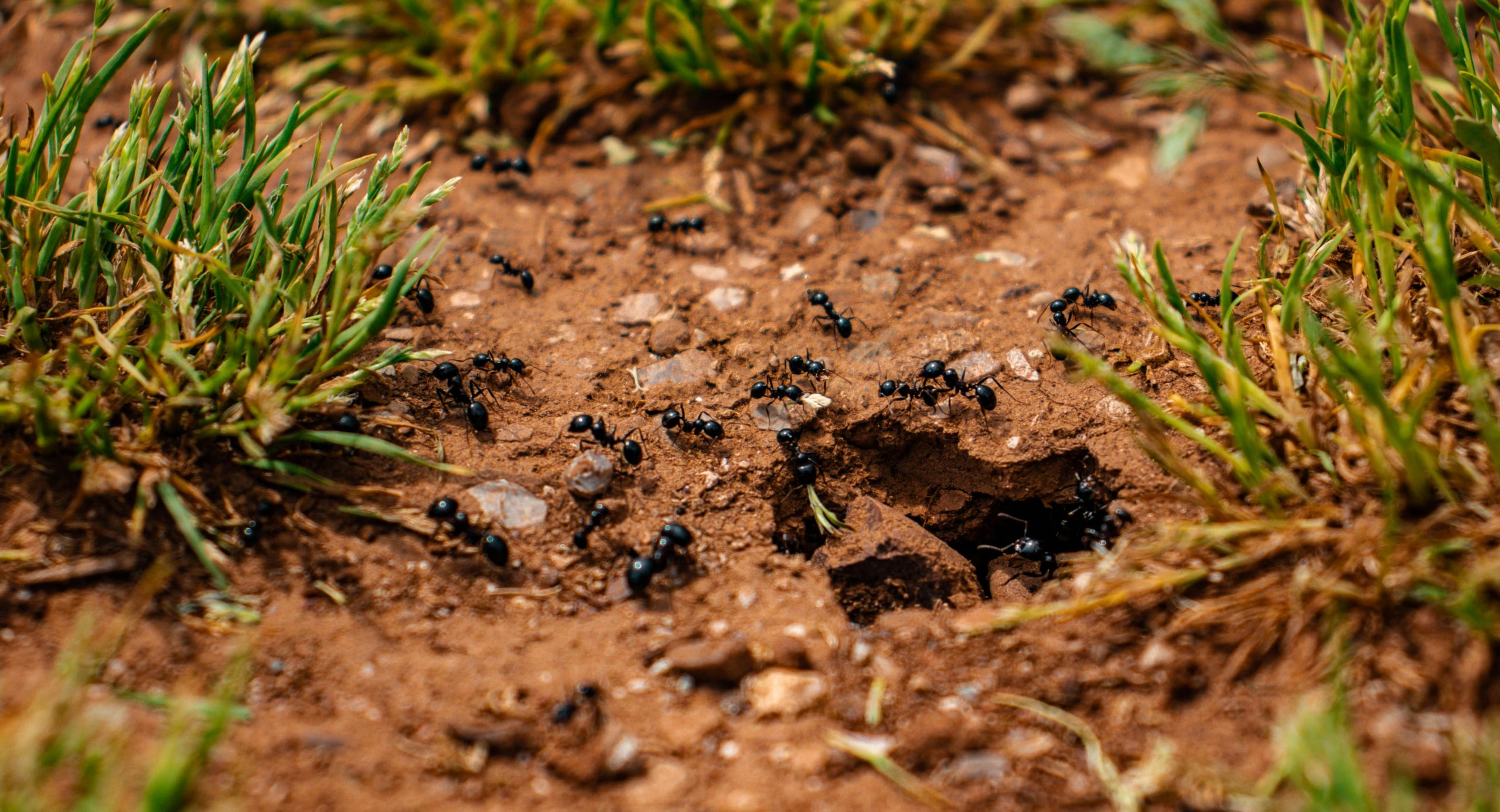
- Presence of Ant Trails: Ants often travel in trails, moving back and forth from their nests to food sources. Seeing a line of ants in kitchens, pantries, or other areas with food is a clear indicator of an infestation.
- Nesting Sites: Ants often nest in moist, hidden places such as wall crevices, under sinks, behind appliances, or inside wooden structures. Spotting a nest or discarded wings could mean there’s a colony nearby.
- Damage to Wooden Structures: While ants don’t eat wood like termites, some species, such as carpenter ants, hollow out wood to build their nests. This can lead to structural issues over time.
Identifying an infestation early allows property owners to address the problem effectively, either through DIY methods or by contacting pest control professionals.
1. Ghost Ants (Tapinoma melanocephalum)
Ghost ants, also known as “sugar ants,” are one of the most common ant species in Singapore, and they are a leading cause of household infestations. These ants prefer moist environments, often making their nests in kitchens, bathrooms, and other damp areas. Ghost ants are highly attracted to sweet foods, as carbohydrates are essential to their diet.
Key Characteristics of Ghost Ants:
- Physical Appearance: Ghost ants are tiny, measuring between 1.3 to 1.5 mm in length. They have dark heads with pale, translucent bodies, making them easy to identify.
- Behavior: They typically move in trails and are known to nest in cabinets, under sinks, and even inside wall cavities.
- Diet: Ghost ants are attracted to sweet foods and liquids and are often found near sugar sources or food storage areas.
Challenges in Controlling Ghost Ants: Ghost ants can multiply quickly, and because of their size and mobility, they are challenging to eradicate without professional pest control methods. They tend to scatter when disturbed, making it difficult to fully eliminate them without a targeted approach.
2. Odorous House Ants (Tapinoma sessile)
Odorous house ants, another common ant species in Singapore, get their name from the distinct, coconut-like smell they release when crushed. These ants prefer moist areas, especially during dry spells, and are commonly found near sources of food, such as kitchens, pet food dishes, and indoor plants.
Key Characteristics of Odorous House Ants:
- Physical Appearance: They are generally brown or black and measure between 1.6 to 3.1 mm in length. Their antennae have 12 segments, making them distinct from other ants.
- Behavior: Odorous house ants are highly adaptable and can nest in various areas, including toilet lids, flowerpots, and other damp environments.
- Diet: They consume a wide range of foods, from sweet foods like fruits to oily or protein-based items, and will even eat pet food.
Impact on Property Owners: These ants can spread quickly within properties, especially if there is abundant food and water. They may contaminate food and surfaces, posing a hygiene concern for homes and businesses.
3. Pharaoh Ants (Monomorium pharaonis)
Pharaoh ants are particularly notorious for their resilience and difficulty to control. Known for their ability to form multiple colonies, these ants can become a persistent issue in homes and businesses if not managed correctly. Pharaoh ants are known to bite when threatened and pose a greater challenge due to their nesting and breeding habits.
Key Characteristics of Pharaoh Ants:
- Physical Appearance: These ants are usually golden or light brown and measure about 2 mm in length. Pharaoh ants have multiple queens in a colony, with some queens living up to 12 years.
- Behavior: Pharaoh ants tend to scatter and establish new colonies when threatened, making them hard to eradicate completely.
- Diet: Pharaoh ants prefer oily and protein-rich foods, but they can consume a wide variety of substances, including dead insects.
Challenges in Control: Pharaoh ants require specific pest control methods. Traditional DIY pest control can often backfire by causing the ants to spread into new colonies. Professional pest management is typically recommended to effectively handle these pests due to their complex colony structure.
4. Carpenter Ants (Camponotus spp.)
Carpenter ants are one of the most recognizable ant species in Singapore, known for their wood-boring behavior. While they do not consume wood like termites, they excavate it to create nests, which can lead to structural damage over time. Carpenter ants thrive in moist, decaying wood, making them common in damp areas of properties.
Key Characteristics of Carpenter Ants:
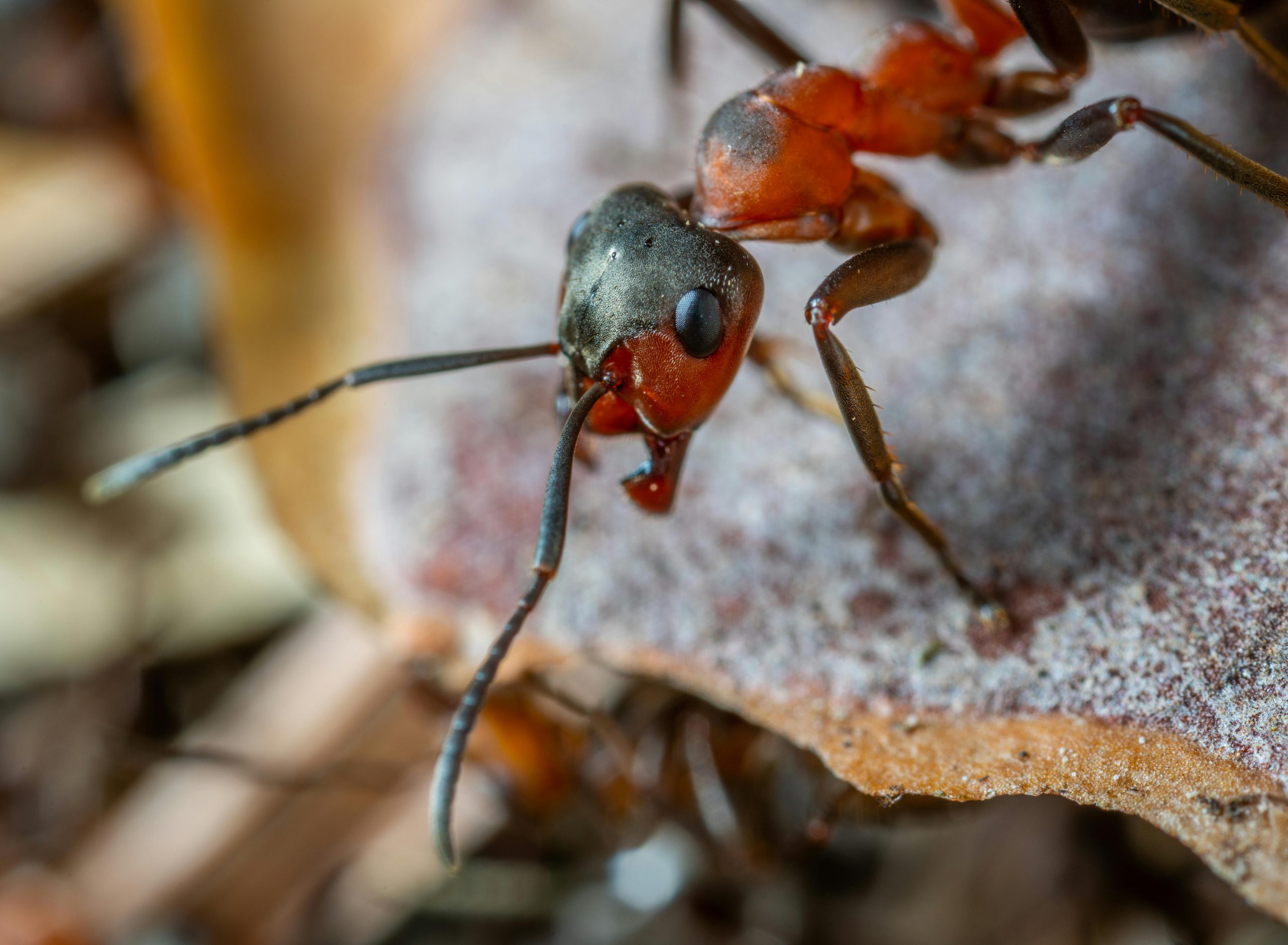
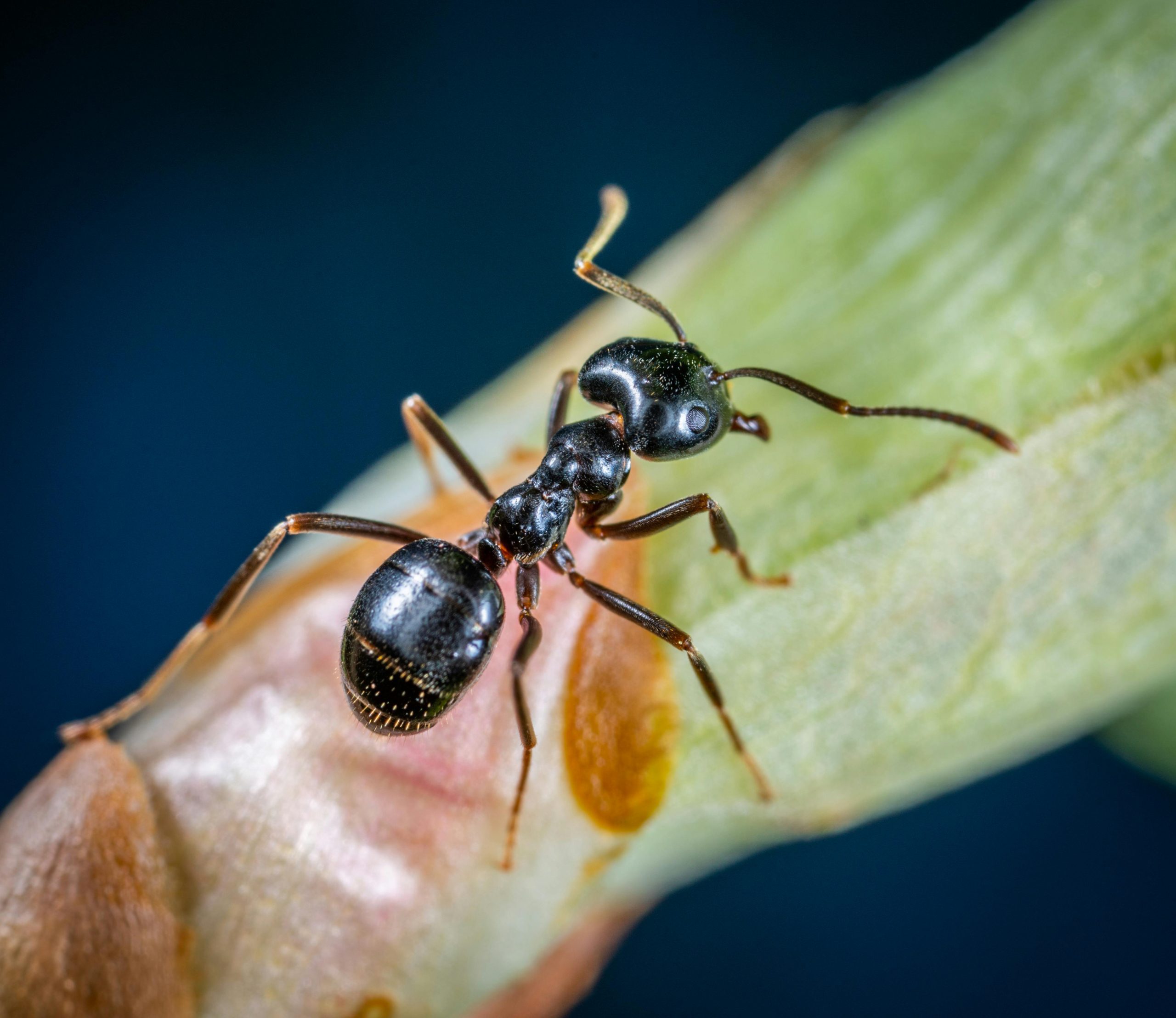
- Physical Appearance: Carpenter ants are generally larger than other species, measuring between 15 to 17 mm in length. They are typically black or a reddish-brown color.
- Behavior: They prefer to nest in wood, especially in moist environments like kitchens, bathrooms, and basements.
- Diet: These ants are omnivores, feeding on dead insects and sweet substances like honeydew from other insects.
Potential for Structural Damage: Carpenter ants can weaken wooden structures over time. Their nests in wooden beams, furniture, or structural components can compromise the integrity of a building, making early detection and removal essential for property owners.
5. Crazy Ants (Paratrechina longicornis)
Crazy ants are named for their erratic, rapid movement patterns, which set them apart from other ant species. These ants are highly adaptable and are commonly found in various locations, from kitchens to outdoor spaces. Their adaptability, combined with their tendency to scatter when disturbed, makes them challenging to control.
Key Characteristics of Crazy Ants:
- Physical Appearance: Crazy ants are usually dark brown to black and measure around 2 to 3 mm in length. They have long legs and antennae, which make them highly mobile.
- Behavior: These ants are known for their “crazy” movement patterns and can quickly spread to new areas if disturbed.
- Diet: Crazy ants are omnivorous and feed on a wide variety of foods, though they are particularly attracted to sweets.
Difficulty in Control: Crazy ants can spread rapidly within a property, and traditional pest control methods can often cause them to scatter further. Targeted treatment by pest control professionals is usually required to eliminate them effectively.
Importance of Proper Identification for Ant Control
Correctly identifying the species of ant present in a property is crucial for effective ant pest control. Each ant species has unique behaviors, food preferences, and nesting habits that require different treatment approaches. Misidentifying an ant species can lead to ineffective control efforts, allowing the infestation to spread or worsen.
Reasons Why Proper Identification Matters:
- Different Control Methods: Some ants, like Pharaoh ants, tend to scatter and form new colonies when disturbed, making them harder to control with typical methods. Targeted solutions are needed for each species.
- Potential Health and Structural Risks: Certain ants, such as carpenter ants, pose a structural risk, while others, like Pharaoh ants, may bite if threatened. Identifying the species helps prioritize the correct response.
Avoiding Ineffective DIY Solutions: DIY pest control can sometimes backfire by worsening the infestation. Professional pest controllers can accurately identify ant species and apply effective treatments, preventing the infestation from spreading.
Methods to Prevent Ant Infestations
Preventing an ant infestation starts with keeping living spaces clean and reducing the factors that attract ants, such as food sources and moisture. Here are some effective preventive steps to reduce the risk of ant infestations:
- Proper Food Storage: Store food in sealed containers and avoid leaving food out overnight. Even crumbs or spills can attract ants.
- Cleanliness and Waste Management: Regularly clean kitchen surfaces, floors, and other areas where food is handled. Ensure that trash bins are covered and emptied frequently to prevent ants from gathering.
- Moisture Control: Repair any leaks and ensure that sinks, bathrooms, and other moist areas are well-ventilated. Many ant species are attracted to damp spaces.
- Seal Entry Points: Ants often enter through cracks, holes, or gaps in walls, doors, and windows. Sealing these entry points can help keep ants from entering.
By taking these measures, property owners can significantly reduce the likelihood of an infestation, protecting their homes and businesses from potential damage.
When to Seek Professional Help
While minor ant issues can sometimes be managed with DIY methods, persistent or large-scale infestations typically require professional intervention. Here are some signs that indicate it may be time to contact a pest control service:
- Repeated Infestations: If ants keep returning despite DIY efforts, a professional pest control company can provide targeted treatments that address the root cause.
- Presence of Multiple Colonies: Species like Pharaoh ants can establish multiple colonies, making DIY methods ineffective. Professionals have the knowledge and tools to eliminate these colonies effectively.
- Structural Damage: Signs of structural damage, such as hollowed-out wood, may indicate carpenter ants or other destructive species. Professional treatment can prevent further damage.
- Health and Safety Concerns: Ants that bite or spread bacteria can pose health risks, especially in commercial kitchens or hospitals. A licensed pest control team can handle infestations safely and effectively.
Professional pest control services in Singapore can also provide eco-friendly solutions to minimize environmental impact, which is an added benefit for those seeking sustainable pest management.
Environmental Impact of Pest Control
When it comes to ant control, considering the environmental impact is essential. Singapore’s biodiversity is unique, and using eco-friendly pest control methods can help protect local ecosystems from harm. Many professional pest control companies in Singapore now offer environmentally responsible solutions that minimize chemical use and prioritize non-toxic treatments.
Eco-Friendly Pest Control Options:
- Non-Toxic Baits and Traps: These methods target ants without harming other wildlife. Non-toxic baits are especially effective for species like Pharaoh ants and odorous house ants.
- Natural Repellents: Essential oils, vinegar, and other natural repellents are effective for deterring certain ant species while being safer for the environment.
- Integrated Pest Management (IPM): IPM combines multiple techniques, focusing on prevention, monitoring, and targeted treatment. This approach minimizes chemical use, making it a sustainable pest control choice.
Choosing eco-friendly pest management solutions not only helps control ant infestations effectively but also contributes to the conservation of Singapore’s natural habitats.
Conclusion
Ant infestations are a common issue for property owners in Singapore, where the warm, humid climate encourages ant populations to thrive. By identifying the most common ant species, such as ghost ants, odorous house ants, and carpenter ants, and understanding their habits, property owners can better prevent and manage infestations. Simple preventive steps, like maintaining cleanliness, sealing entry points, and reducing moisture, can go a long way in keeping ants out of homes and businesses.
In cases of persistent infestations or complex ant species like Pharaoh ants and carpenter ants, seeking help from professional pest control companies is recommended. By using eco-friendly pest control options, property owners can protect both their properties and the environment. Early action and knowledge of Singapore’s most common ant species are key to effectively managing ant issues.
Frequently Asked Questions (FAQs)
1. What attracts ants to Singaporean homes?
Ants are attracted to food, especially sugary and greasy items, and to moisture-rich areas like kitchens and bathrooms. They enter homes searching for these resources and can set up colonies nearby if conditions are favorable.
2. Are DIY pest control methods effective against ants?
DIY pest control methods can help reduce ant activity but are often less effective for complete extermination, especially for species like Pharaoh ants that spread quickly. For long-term control, professional treatment is recommended.
3. How do I know which type of ant is infesting my property?
Identifying ants based on their appearance, behavior, and nesting locations can help. Ghost ants have translucent bodies, Pharaoh ants are golden-brown, and carpenter ants are larger and prefer wood. Professional pest control providers can also assist with identification.
4. Do ants in Singapore pose health risks?
Certain ant species, such as Pharaoh ants, may carry bacteria or bite if threatened, posing minor health risks. However, the primary concern is contamination of food and surfaces, which can lead to hygiene issues.
5. What’s the best way to get rid of ants permanently?
The most effective approach combines prevention, like sealing entry points and keeping areas clean, with professional pest control for lasting results. Eco-friendly treatments are also available to minimize environmental impact.