
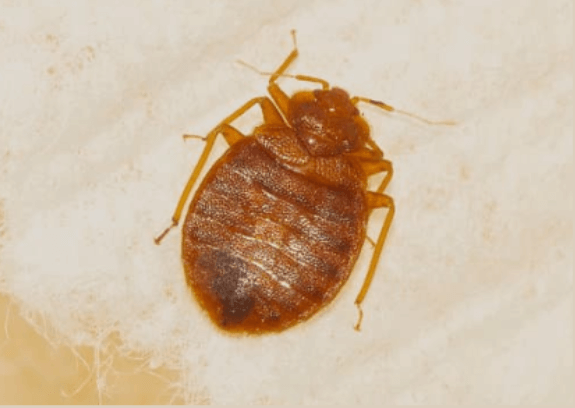
Bed bugs have made a surprising return in many cities around the world, and Singapore is no exception. If you’re wondering about the prevalence of these nocturnal pests and what this means for households and businesses, you’re not alone. This post dives into the realities of bed bugs in Singapore, why they’re a concern, and how effective bed bug pest control Singapore strategies can keep infestations under control.
Introduction: understanding the resurgence
Over the past decade, bed bugs have re-emerged as a global urban pest. They are highly mobile, hitchhiking in on luggage, clothing, and used furniture, and they thrive in densely populated environments. In Singapore, the tropical climate and high travel activity can contribute to sporadic sightings and localised outbreaks. However, with proactive measures, regular inspections, and professional bed bug pest control Singapore services, most homes and businesses can prevent serious infestations.
What makes bed bugs a persistent problem?
- Night-time feeders: Bed bugs feed on human blood, usually during the night, which makes them easy to miss until numbers grow.
- Rapid reproduction: A female bed bug can lay multiple eggs per day, leading to sizable populations in weeks.
- Hidden harborage: They hide in seams of mattresses, bed frames, furniture, and cracks, which makes early detection challenging.
- Resilience: Bed bugs can survive for months without a meal, and they’re resistant to some common sanitising methods if not applied correctly.
Understanding these traits helps explain why Singapore, like many urban areas, experiences periodic bed bug activity and why professional bed bug pest control Singapore services are often the most reliable solution.
How common are bed bugs in Singapore today?
Public health reports and pest control networks indicate that bed bugs are present in Singapore, but not necessarily ubiquitous in every neighbourhood or home. Factors influencing prevalence include:
- Travel and hospitality sectors: Hotels, hostels, and airlines can act as hotspots for hitchhiking bed bugs, increasing local detection risk.
- Population density: High-density living conditions can accelerate spread if infestations are introduced.
- Housing types: Older buildings or units with creaky joints and exposed gaps can offer easier harborage.
- Vigilance and prevention: Regular inspections, prompt treatment, and owner awareness reduce successful infestations.
In short, bed bugs are a known concern in Singapore, but with proper prevention and quick intervention, many properties remain uninfested or quickly regain infestation-free status.
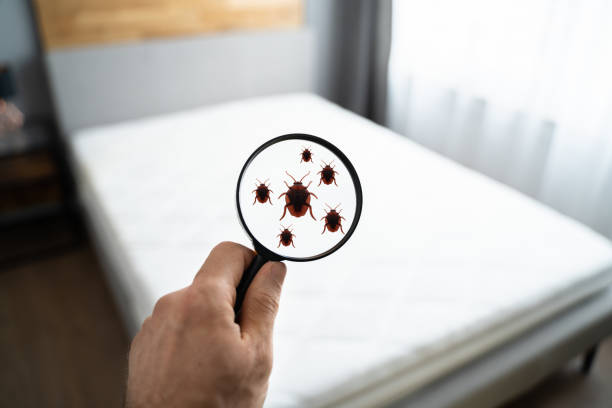
Signs of a bed bug presence
- Live bugs: Small, reddish-brown insects about the size of an apple seed.
- Bites patterns: Red, itchy welts often in clusters or a linear pattern on exposed skin.
- Exuviae: Shed skins left behind as bed bugs progress through life stages.
- Dark stains: Small black/raspberry-coloured droppings on mattresses or furniture.
- Musty odor: In heavier infestations, a distinctive sweet, musty smell can be detected.
If you notice multiple signs, it’s wise to consult a professional bed bug pest control Singapore company promptly to assess the situation and prevent escalation.
Prevention and early detection tips
- Inspect second-hand items: Avoid bringing in used furniture without a thorough check.
- Enclose mattresses: Use encasements designed to trap bed bugs and slow their spread.
- Reduce clutter: Fewer hiding spots mean easier detection and treatment.
- Regular inspections: Schedule routine checks in bedrooms, living spaces, and guest rooms.
- Seal cracks and crevices: Close gaps around headboards, bed frames, and electrical outlets.
- Travel precautions: When returning from trips, wash and heat-dry clothing, inspect luggage, and store travel gear separately.
These steps reduce the chances of bed bugs establishing themselves and complement any professional bed bug pest control Singapore plan.
Treatment options and the role of professionals
While some DIY measures can help, accurate detection and effective eradication often require experts. Bed bug populations can be stubborn and may require integrated pest management (IPM) approaches, including:
- Inspection: Thorough assessment of sleeping areas, furniture, and potential harborages.
- Mechanical removal: Vacuuming to remove visible pests and eggs from seams and cracks.
- Heat treatment: Elevating room temperatures to levels lethal to bed bugs, a method that can reach areas where chemicals might not.
- Chemical treatments: Targeted pesticides applied by licensed technicians, following safety guidelines.
- Ongoing monitoring: Post-treatment checks to ensure all life stages are eliminated.
Choosing a reputable bed bug pest control Singapore provider ensures that treatments are safe, compliant with local regulations, and backed by guarantees or follow-up visits if needed.
Living with bed bugs: expectations and reassurance
Experiencing a bed bug problem can be stressful, but with prompt action and professional support, you can regain a comfortable, pest-free home or business environment. Education on prevention, rapid response plans, and consistent monitoring are key elements to long-term control. In Singapore, many pest control companies offer expedited service, discreet handling for residential spaces, and flexible scheduling to minimise disruption.
Final thoughts
Bed bugs are a genuine concern in Singapore, but they are not an inevitability for every home or business. The combination of high travel, dense living, and occasional pockets of infestation means awareness and rapid response are essential. If you suspect bed bugs, contact a reputable bed bug pest control Singapore provider as soon as possible. Early detection and professional treatment can prevent a small problem from becoming a large, costly one. With proactive prevention and trusted remediation partners, maintaining a comfortable, pest-free space is well within reach.
FAQs
Bed bugs are present in Singapore but are not in every home. High travel activity and dense living areas increase occasional sightings and localised outbreaks.
Look for reddish-brown insects, itchy bite patterns, shed skins, dark stains on mattresses, or a sweet, musty odor. Multiple signs suggest professional inspection is needed.
DIY measures like vacuuming, mattress encasements, and heat treatment can help, but severe infestations usually require licensed bed bug pest control Singapore services for complete eradication.
Inspect second-hand furniture, reduce clutter, seal cracks, enclose mattresses, perform regular inspections, and take travel precautions to avoid bringing bed bugs home.
Professionals use integrated pest management (IPM) including inspection, mechanical removal, heat treatment, targeted chemical applications, and ongoing monitoring to ensure full elimination.