
Waking up itchy is frustrating – and in Singapore’s warm, humid weather, it’s not always obvious whether you’re dealing with bed bugs or fleas. The good news: you can usually narrow it down quickly by looking at (1) where the bites appear, (2) when they happen, and (3) what you can find around your bed, sofa, carpets, or pet areas.
This guide is written for Singapore homes (HDBs, condos, landed) and focuses on practical, safe next steps you can do immediately – without spreading the problem.
The fastest way to tell
If you want a quick shortcut before you deep-dive:
- Bites mostly on ankles/lower legs + pets scratching + carpets/sofa involved → more likely fleas.
- Bites after sleeping + on arms/torso/neck + signs on mattress seams → more likely bed bugs.
But don’t rely on bites alone – some people react strongly, others barely react at all.
1) Bite location: where on your body are you getting bitten?
Typical bed bug bite areas
Bed bugs usually bite exposed skin while you’re sleeping.
- Arms and forearms
- Shoulders
- Neck
- Upper back
- Torso/waistline
Common pattern: clusters or lines (people often describe it as “3 bites in a row”).
Typical flea bite areas
Fleas tend to bite lower down because they live in carpets, rugs, pet bedding, and sofa fabric.
- Ankles
- Lower legs
- Around sock lines
- Sometimes behind knees
Common pattern: small, itchy bumps that can look like a tight group of dots.
2) Bite timing: when do you notice the itch?
Bed bugs
- More likely overnight
- You notice bites in the morning or after waking
- It may get worse over a few days as your skin reacts
Fleas
- Can bite any time of day
- Often happens when you’re walking around the home, sitting on the sofa, or near pet areas
3) What to look for at home (this is where you get certainty)
Signs of bed bugs (check your bed first)
Bed bugs hide in tight cracks close to where you sleep.
Look for:
- Tiny black/dark brown spots on sheets or mattress seams (droppings)
- Small rust-coloured blood marks on sheets
- Shed skins near mattress piping
- A sweet/musty smell in heavier infestations
Where to inspect (Singapore home checklist):
- Mattress seams, piping, tags
- Bed frame joints and screw holes
- Headboard (front and back)
- Bedside table corners and drawer joints
- Curtain folds near the bed
- Sofa seams if you nap on the sofa
Tip: Use a phone torch and check slowly – bed bugs pests are experts at hiding.
Signs of fleas (check pet + soft furnishings)
Fleas usually come in through pets, visiting animals, or shared spaces – but even indoor-only pets can get fleas.
Look for:
- Pets scratching, biting, or over-grooming
- “Flea dirt” (tiny black specks) in pet bedding – if you wet it on tissue, it can turn reddish-brown
- Fleas jumping when you disturb pet bedding or carpets
Where to inspect:
- Pet bedding and favourite resting spots
- Sofa cushions and seams
- Rugs and carpet edges
- Skirting corners and floor cracks
4) Can you actually see them?
Bed bugs
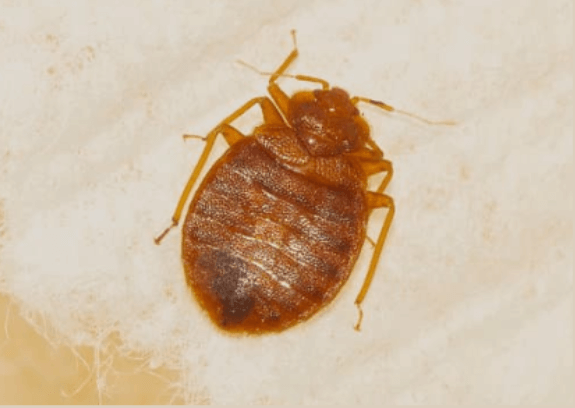
- Flat, oval, reddish-brown
- Adults are about the size of an apple seed
- Usually found hiding (not running around openly)
Fleas
- Very small, dark, fast
- Jumping is the giveaway
- Often noticed on pets or in pet areas
5) Common Singapore scenarios that trigger each problem
Higher bed bug risk
- Recent travel (bed bugs hitchhike in luggage)
- New/second-hand furniture (especially fabric headboards, sofas)
- Frequent visitors or shared living arrangements
- Units with high turnover (rental rooms)
Higher flea risk
- Pets (cats/dogs) or visiting animals
- Fabric sofas + carpets/rugs
- Pet daycare/boarding exposure
- Stray cats around corridors/service yards
What to do immediately (without spreading the infestation)
If you suspect bed bugs
Goal: reduce bites and stop them spreading room-to-room.
- Don’t move items (pillows, blankets, clothes) into other rooms.
- Wash bedding and sleepwear on a hot cycle if fabric allows.
- Dry on high heat (heat is what helps most).
- Bag soft items (plush toys, spare linens) in sealed bags.
- Vacuum mattress seams and bed frame joints.
- Empty vacuum contents into a sealed bag and discard immediately.
Important: Spraying random insecticide on the mattress often makes things worse (and can be unsafe). Bed bugs hide deep in cracks – proper treatment targets harbourage points.
If you suspect fleas
Goal: break the flea life cycle (adults + eggs/larvae in fabrics).
- Treat pets using vet-approved products (don’t guess with random sprays).
- Wash pet bedding, blankets, and covers.
- Vacuum carpets, rugs, sofa seams, and skirting daily for several days.
- Dispose of vacuum contents in a sealed bag.
- If you have a fabric sofa, focus on seams and under cushions.
When DIY isn’t enough (and it’s time to call pest control)
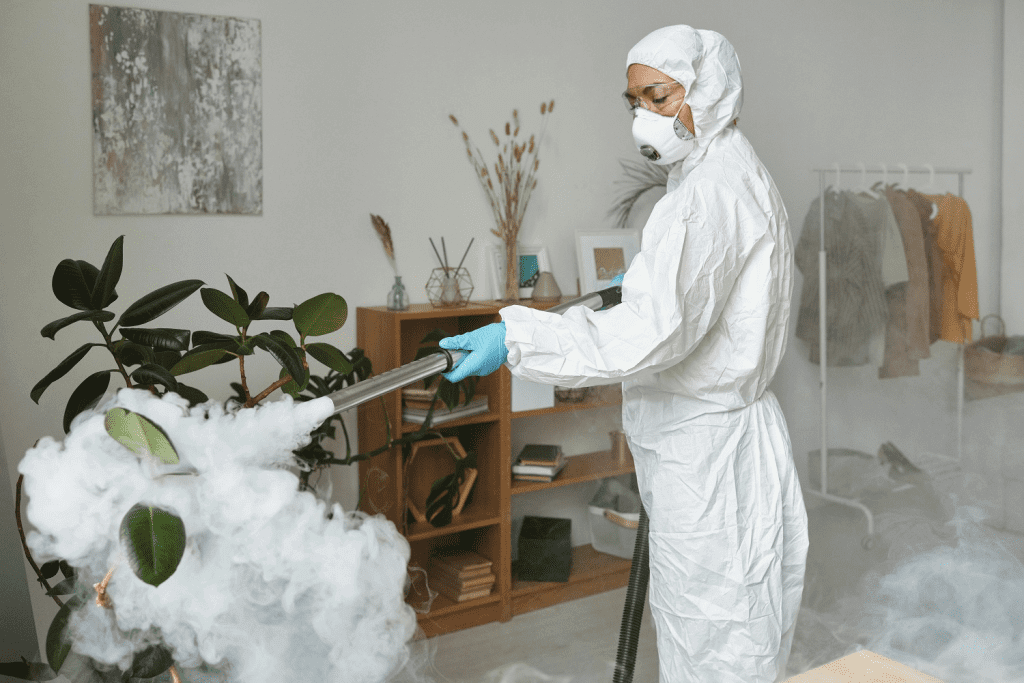
Call a professional in Singapore if:
- Bites continue after 3–5 days of proper cleaning steps
- You find bed bug spotting on mattress seams or headboard joints
- You see fleas repeatedly even after pet treatment
- Multiple rooms are affected (bed bugs spread fast once established)
A proper inspection helps confirm the pest and the harbourage areas, so treatment is targeted – not just “spray and pray”.
Quick checklist: bed bugs vs fleas
- Bites on arms/torso/neck after sleep → likely bed bugs
- Bites on ankles/lower legs + pets scratching → likely fleas
- Dark spotting on mattress seams → bed bugs
- Flea dirt in pet bedding + jumping insects → fleas
In Singapore, both bed bugs and fleas can become a repeat problem if you only treat the symptoms (the bites) instead of the source (where they’re living and breeding). Use the bite location + home inspection signs to identify the pest quickly, then take the right next steps to stop the cycle.
FAQs
Bed bug bites often appear after sleeping and show up on arms, shoulders, neck, and torso, sometimes in lines or clusters. Flea bites are more common on ankles and lower legs and can happen any time, especially if you have pets or carpets.
Yes. If you nap on the sofa or the infestation spreads, bed bugs can hide in sofa seams, under cushions, and in cracks around the frame.
Yes. Fleas can come in via visiting animals, shared spaces, or even on clothing, and they can persist in carpets and fabric furniture.
Moving bedding, clothes, or pillows into other rooms. That can spread bed bugs and make treatment harder. Contain the area first.
If bites continue after a few days of correct cleaning steps, or you find clear signs (bed bug spotting on mattress seams/fleas in pet bedding), it’s worth getting a professional inspection so treatment targets the real harbourage points.