

In Singapore’s F&B scene, pest control isn’t just about comfort – it’s about brand reputation, customer trust, and operational continuity. One pest sighting can trigger complaints, negative reviews, and serious hygiene concerns.
The challenge is that F&B environments naturally attract pests: food residue, warmth, moisture, frequent deliveries, and high foot traffic. That’s why the most successful restaurants and kitchens don’t rely on ad-hoc pest control. They run a structured prevention program.
This guide breaks down a practical, real-world checklist for F&B pest control in Singapore – designed to reduce pest activity, prevent repeat infestations, and support audit readiness.
Why F&B businesses in Singapore face higher pest pressure
F&B sites have several built-in risk factors:
- Food availability (even tiny crumbs or grease)
- Moisture (sinks, floor traps, dishwashing areas)
- Warmth (kitchens, motor rooms, equipment heat)
- Hidden voids (false ceilings, ducts, behind appliances)
- Supply chain exposure (cartons, pallets, deliveries)
Even well-managed outlets can see pest spikes if one weak point is overlooked.
The most common pests in Singapore F&B operations
Different pests signal different root causes:
Cockroaches
Often linked to:
- grease buildup
- drains and floor traps
- cluttered storage
- hidden harbourage behind equipment
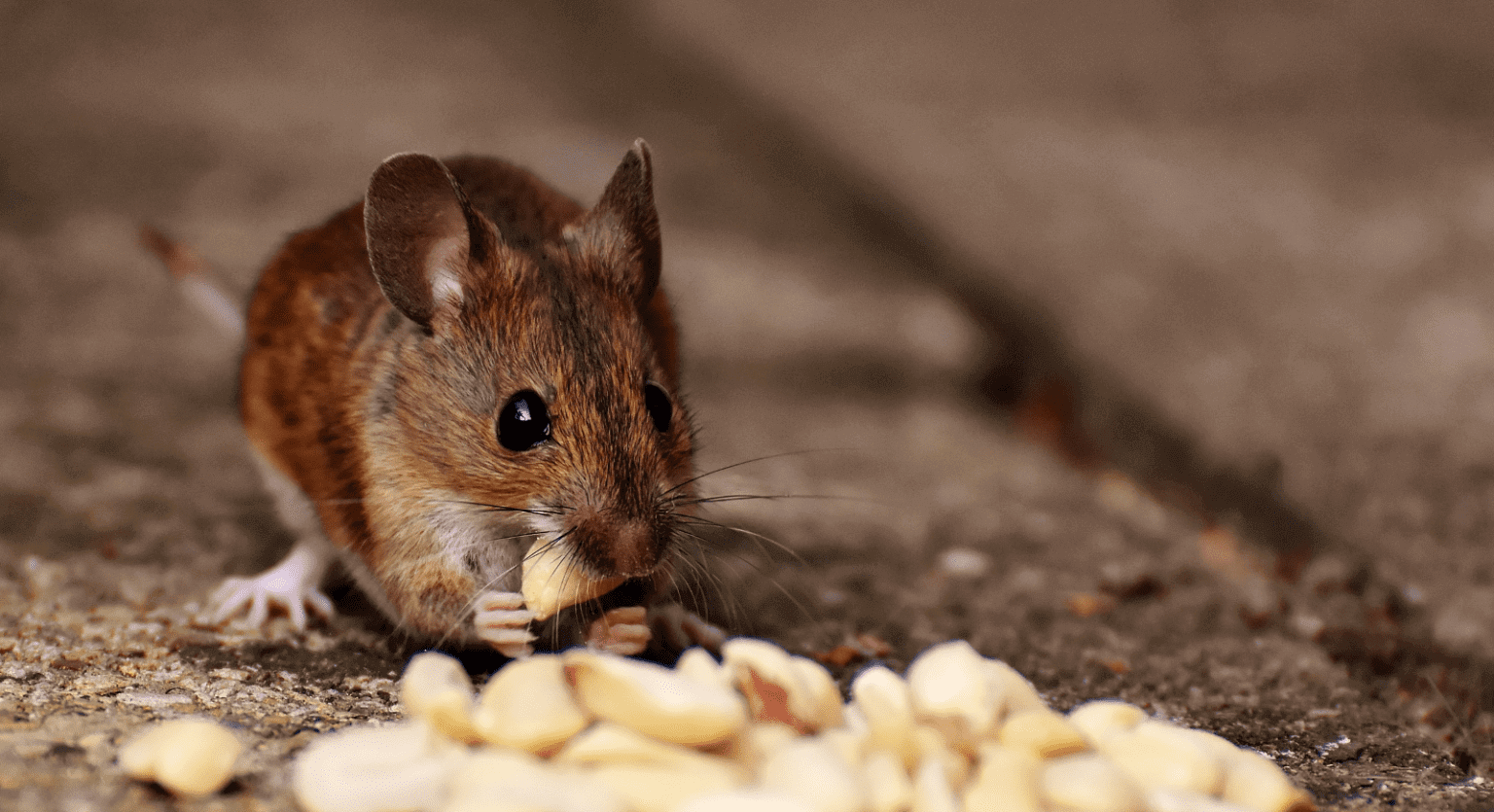
Rodents
Often linked to:
- gaps at doors and service penetrations
- back lane exposure
- poor waste management
- ceiling void pathways
Flies
Often linked to:
- wet waste areas
- uncovered bins
- slow drainage / standing water
- food prep residue
Ants
Often linked to:
- sugar stations and beverage areas
- poor sealing of ingredients
- micro-spills that aren’t cleaned immediately
Mosquitoes
Often linked to:
- stagnant water sources near back-of-house
- outdoor seating areas
- blocked drains
Stored-product pests
Often linked to:
- old stock not rotated
- unsealed dry goods
- contaminated cartons
A good pest control plan starts by identifying which pest is present and why.
The weekly F&B pest control checklist (simple and effective)
Use this checklist weekly (and train staff to follow it daily where relevant).
A) Kitchen and prep area
- Clean under and behind equipment (not just visible surfaces)
- Remove grease buildup from cooking zones and surrounding surfaces
- Keep ingredients sealed in proper containers
- Wipe spills immediately, especially sauces and sweet liquids
Why it matters: roaches and ants thrive on tiny, consistent food sources.
B) Drains and floor traps (the #1 hidden hotspot)
- Clean floor traps regularly
- Ensure covers are intact and properly fitted
- Watch for activity near drain lines (roach sightings here are common)
- Fix slow drainage and eliminate standing water
Why it matters: drains provide moisture, shelter, and pathways.
C) Storage and dry goods
- Store items on racks (off the floor) and away from walls
- Rotate stock using FIFO (first-in, first-out)
- Remove old cardboard quickly
- Inspect cartons before storing – pests can hitchhike in deliveries
Why it matters: storage areas are where infestations quietly build.
D) Waste management
- Keep bins covered and cleaned daily
- Ensure waste areas are dry and maintained
- Avoid overflow – schedule disposal properly
- Clean bin rooms and back lanes around your unit
Why it matters: waste areas attract flies and rodents fast.
E) Entry points and structural gaps
- Install/repair door sweeps
- Seal gaps around pipes, cables, and ducts
- Check back doors and delivery entrances
- Inspect ceiling void access points where possible
Why it matters: rodents and roaches exploit small gaps.
F) Staff habits (the “invisible” factor)
- No uncovered staff drinks/food in back-of-house
- Assign ownership: who checks traps, bins, and floor traps each shift
- Log sightings immediately (date/time/location)
Why it matters: consistent habits prevent small issues from becoming outbreaks.
A simple pest sighting log template (use this)
If you want to stop repeat infestations, you need basic tracking. Use a log like:
| Date | Time | Pest Type | Location | What was happening nearby? | Action taken |
This helps your pest control team identify patterns (e.g., roaches near a specific drain line, rodents near a delivery door).
Why pests return even after treatment
If you’ve done pest control but sightings keep coming back, it’s usually because one of these is true:
- harbourage areas weren’t addressed (false ceilings, behind fridges, ducts)
- sanitation routines are inconsistent (especially grease and drains)
- entry points are still open
- follow-up schedule isn’t matched to pest pressure
- neighbouring units/back lanes create constant reinfestation pressure
Treatment without prevention becomes a cycle.
What a strong commercial pest control program should include
For F&B, a proper program should feel structured and measurable:
- scheduled inspections (not only reactive call-outs)
- targeted treatment based on pest type and site layout
- monitoring tools where needed (traps, bait stations, activity checks)
- documented findings and recommendations
- practical prevention guidance tailored to your workflow
The goal is not just to “reduce pests today,” but to keep pest activity low consistently.
Red flags that indicate a bigger infestation
Some signs suggest the issue is more serious than it looks:
- roaches appearing in daytime (often indicates heavier activity)
- rodent droppings near storage or prep zones
- gnaw marks on cartons or wiring
- flies persisting despite cleaning
- repeated sightings in the same hotspot every week
In F&B, early action protects your reputation.
Book a free inspection for your F&B outlet
Conquer Pest provides commercial pest control for restaurants, offices, warehouses, and industrial facilities across Singapore.If you want a plan that reduces repeat infestations (not just a quick spray), book a free on-site evaluation and let our team assess your risk points, pest pressure, and best prevention strategy.