
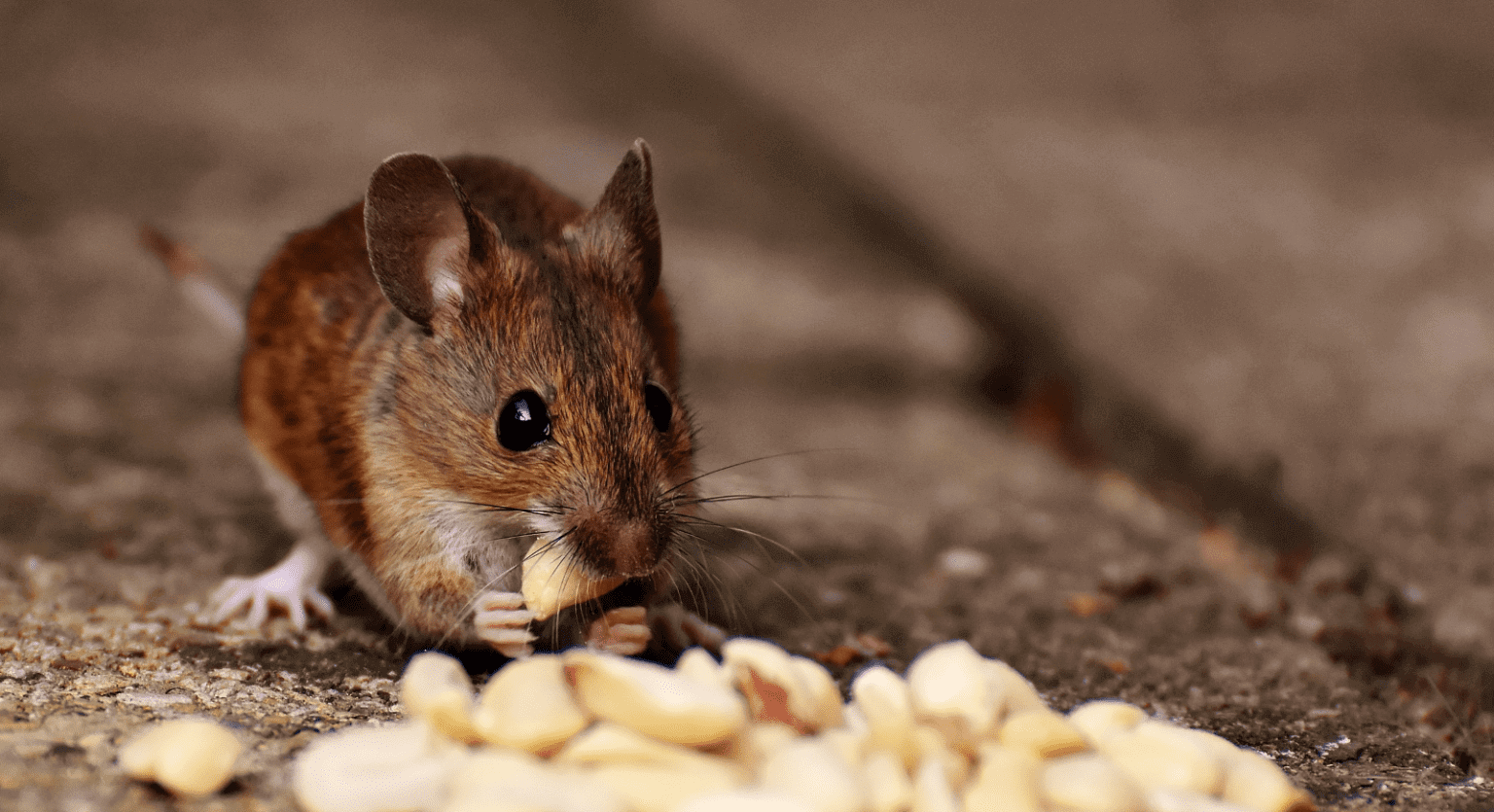
Finding rodent droppings at home is a proper red flag – not because you need to panic, but because what you do in the first day can reduce health risk and stop the problem from getting worse. In Singapore, rats and mice are commonly attracted to food smells, bin areas, drains, service yards, and false ceilings, and they can move between units quickly.
This guide is written for Singapore homes (HDBs, condos, landed) and focuses on safe clean-up plus the practical steps that actually stop repeat droppings.
First: don’t sweep or vacuum (this is the #1 mistake)
When droppings dry out, sweeping or vacuuming can kick up contaminated dust into the air. In a small enclosed space (kitchen, storeroom, service yard), that’s the last thing you want.
Do this instead: keep the area still, ventilate, disinfect first, then wipe.
Step-by-step: what to do in the first 24 hours
Step 1 (First 10 minutes): isolate the area
- Keep kids and pets away.
- Open windows for ventilation if possible.
- If droppings are in the kitchen, stop food prep there until you’ve disinfected.
Step 2 (First 30 minutes): confirm it’s rodent activity
Rodent droppings are usually:
- Mouse droppings: small (rice-grain sized), often pointed ends.
- Rat droppings: larger, capsule-shaped.
Other common signs in Singapore homes:
- Grease trails along walls/skirting (dark smears)
- Gnaw marks on packaging, cabinet corners, and wiring
- Scratching sounds in ceilings/walls at night
- Strong musky smell in storerooms or service yards
Step 3 (Within 1 hour): gear up properly
You don’t need anything fancy, but you do need basic protection.
- Disposable gloves
- Mask (N95 is ideal if you have it)
- Paper towels
- Disinfectant spray
- Sealable plastic bags
Step 4 (Within 2 hours): disinfect first, then remove
Order matters: wet → disinfect → wipe.
- Lightly spray droppings and the surrounding area with disinfectant.
- Let it sit for 5–10 minutes.
- Use paper towels to pick up droppings (don’t scrub dry).
- Put droppings + towels + gloves into a sealed plastic bag.
- Disinfect the surface again.
- Wash hands thoroughly after.
If droppings are on porous surfaces (cardboard, fabric, unsealed wood): bag and dispose if possible, because it’s harder to disinfect completely.
Step 5 (Same day): check the “Singapore entry points” list
Cleaning is only damage control. If you don’t find how they’re getting in, droppings will return.
Check these high-probability entry points:
- Under the kitchen sink (pipe gaps into the cabinet)
- Behind the fridge and stove (crumbs + warmth)
- Bin chute area/rubbish point (HDB corridors and chute doors)
- Service yard (pet food, mop pails, drains)
- Bathroom floor traps and drains (especially if dry)
- Aircon trunking gaps and wall penetrations
- False ceiling access panels and light cut-outs
- Door gaps and damaged weather strips
Rule of thumb: if you can fit a finger into a gap, a mouse may still squeeze through. Don’t underestimate how small an opening can be.
Step 6 (Same day): remove attractants fast (the “no excuses” checklist)
Rodents stay where food and water are easy.
Do these immediately:
- Store dry food in sealed containers (not thin plastic bags).
- Wipe grease and crumbs (especially under appliances).
- Take out trash daily; wash the bin and keep it covered.
- Don’t leave pet food out overnight.
- Fix dripping taps/leaks (water is a big reason rodents stick around).
Step 7 (Same day): set simple monitoring points
If you’re not sure where activity is happening, don’t guess – monitor.
Easy options:
- Sprinkle a thin line of flour near suspected routes to spot footprints.
- Place a small piece of bait (like a bit of bread) in corners to see what gets taken.
This helps you confirm whether the problem is active and where the “traffic” is.
Step 8 (Within 24 hours): decide if it’s a one-off or an infestation
A one-off can happen (e.g., door left open, rubbish smell, nearby works). But these signs suggest an ongoing issue:
- Droppings in multiple rooms
- Droppings reappearing after you cleaned
- Noises in ceiling/walls
- Chewed packaging or wires
- Droppings near food storage areas
If you’re seeing repeat signs, DIY clean-up alone won’t solve it because the entry point and nesting area are still active.
When to call pest control in Singapore (practical triggers)
Call a professional rodent control team if:
- Droppings return within 24–48 hours
- You suspect nesting in the false ceiling, behind built-ins, or storeroom
- You see gnawing on wires (fire risk)
- You run a food business (compliance and hygiene risk)
- You’ve tried basic steps but activity continues
A proper rodent solution usually includes inspection, targeted trapping, and sealing entry points – not just removing what you can see.
What not to do (common mistakes that make it worse)
- Don’t sweep or vacuum droppings.
- Don’t “just spray insect killer” (it won’t solve rodents).
- Don’t rely on random poison placement (dead rodents in walls/ceilings can cause smell, flies, and staining).
- Don’t move contaminated items room-to-room (you can spread droppings/urine).
Quick summary: your first-24-hours checklist
- Isolate the area (kids/pets away)
- Disinfect first, then wipe (no sweeping/vacuum)
- Bag and seal waste properly
- Inspect common entry points (sink gaps, service yard, chute area, false ceiling)
- Remove food/water attractants
- Monitor for repeat activity
If droppings return, book an inspection
FAQs
Not recommended. Vacuuming can aerosolise particles and spread contamination. Disinfect first, then wipe with paper towels.
Stop food prep in that area, disinfect and wipe safely, throw away any exposed food, and inspect under the sink and behind appliances for entry points and nesting signs.
Mouse droppings are smaller (rice-grain sized) and often pointed. Rat droppings are larger and capsule-shaped. If you’re unsure, treat it as rodent activity and follow the same safe clean-up steps.
Because cleaning removes the evidence, not the cause. Rodents usually have a consistent route and entry point (pipe gaps, chute area, service yard, false ceiling). You need to identify and seal access points and remove food/water attractants.
If droppings return within 24–48 hours, you hear ceiling/wall noises, or you see gnawing (especially on wires), it’s time to call for a proper inspection and targeted control plan.