
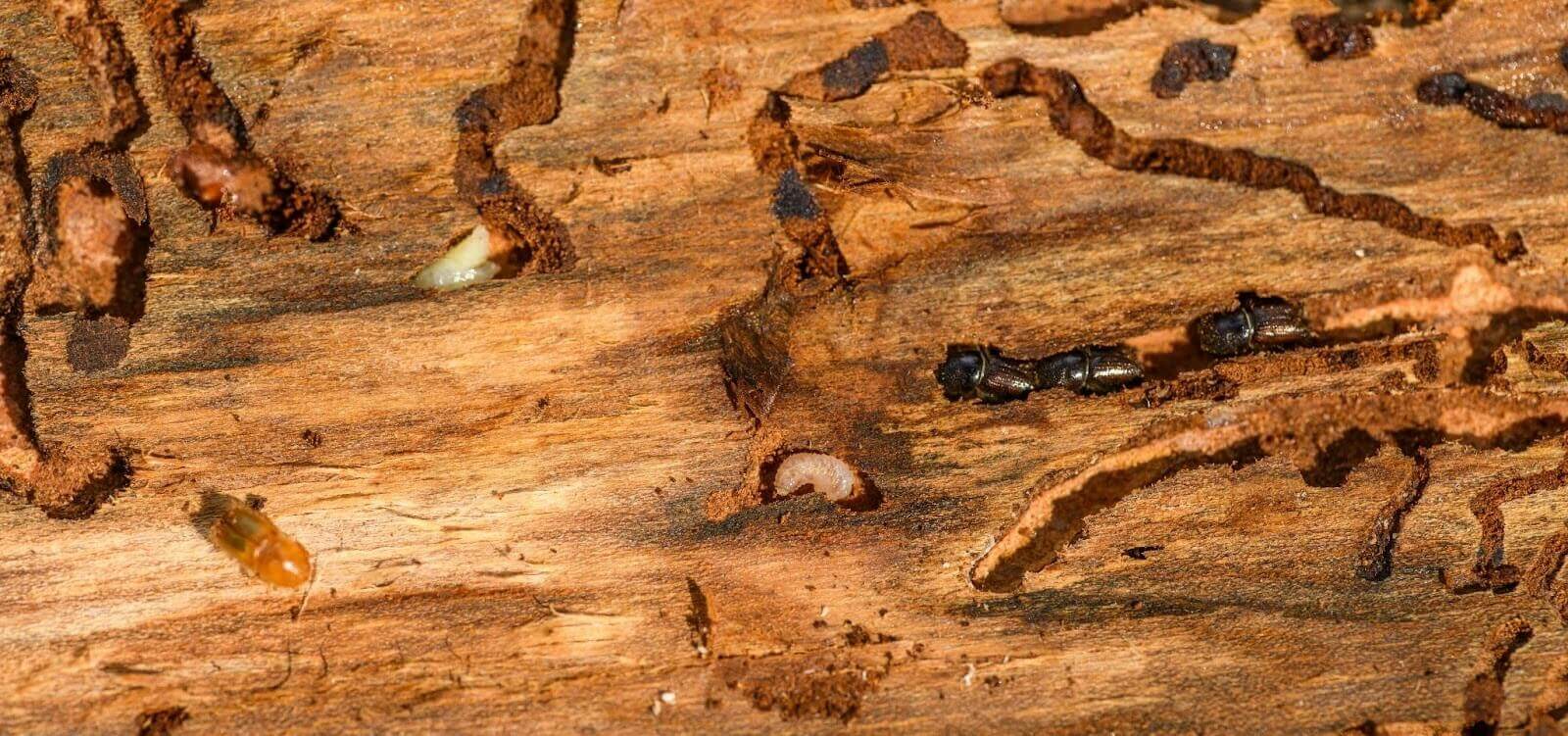
Termites are one of the most expensive pests to ignore in Singapore. Unlike cockroaches or ants, termites don’t usually announce themselves with obvious daily sightings. They work quietly inside timber, cabinets, door frames, and concealed areas – often for months – before the damage becomes visible.
If you’re a homeowner, landlord, or business owner, the goal isn’t just “kill termites.” The goal is to identify activity early, treat correctly based on termite type, and prevent repeat infestations.
Why termites thrive in Singapore
Singapore’s climate creates ideal conditions for termite activity:
- High humidity supports colony survival and wood moisture
- Warm temperatures year-round keep colonies active (no “winter slowdown”)
- Dense housing and landscaping can create hidden pathways from soil to structure
- Moisture sources (leaks, condensation, planter boxes) are common in homes and commercial units
That’s why termite control in Singapore is less about one-time spraying and more about a structured approach: inspection → targeted treatment → long-term protection.
Common termite types you may encounter (simple, practical view)
While there are multiple species, most real-world cases fall into two categories:
1) Subterranean termites
These termites typically travel through soil and build mud tubes to reach timber. They can enter through tiny cracks, service ducts, and concealed gaps.
Why they’re tricky: the colony may be outside your unit, but the feeding activity is inside.
2) Drywood termites
Drywood termites can live inside timber itself – furniture, door frames, wooden fixtures – without needing soil contact.
Why they’re tricky: you may not see mud tubes, and the infestation can be localised but persistent.
A professional inspection matters because treatment differs depending on which type is present.
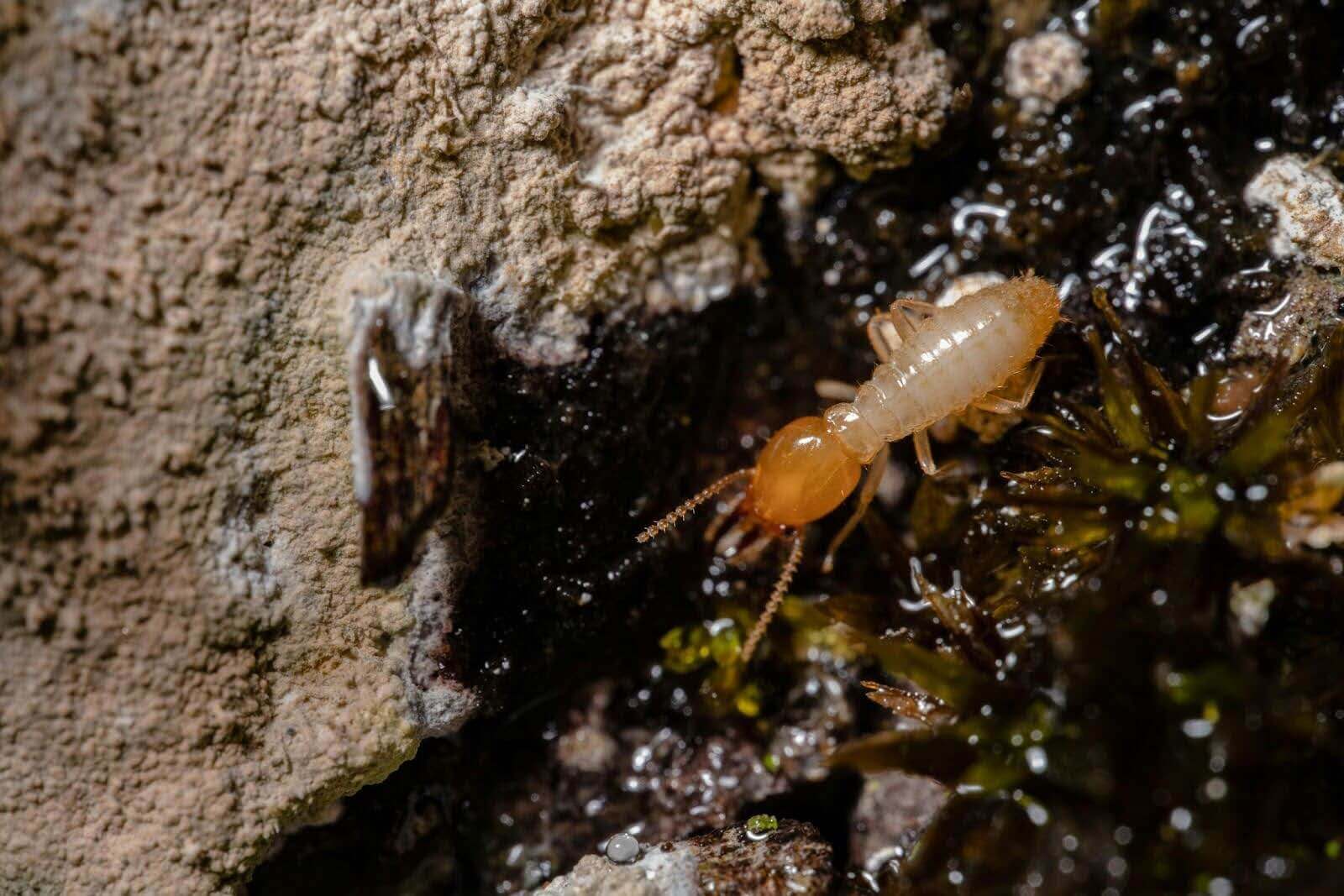
Early warning signs of termites (what people in SG commonly miss)
Here are the signs that often show up before major structural damage:
Mud tubes on walls or skirting
Mud tubes look like thin soil tunnels – often on walls, near door frames, or around service penetrations. This is a classic subterranean termite indicator.
Hollow-sounding wood
Tap timber lightly. If it sounds papery or empty, termites may have eaten the inside while leaving the surface intact.
Tight doors, warped frames, or uneven closing
When termites affect timber and moisture levels change, frames may swell or distort. Many people assume it’s “just humidity,” but repeated warping can be a clue.
Fine wood dust or pellets near timber
If you keep seeing small piles of dust near wooden fixtures or furniture, don’t dismiss it as normal dust – especially if it returns after cleaning.
Wings near windows (especially after rain)
Flying termites (swarmers) may shed wings after finding a place to start a colony. Seeing wings repeatedly can indicate nearby activity.
Where termites commonly start in Singapore homes
If you’re trying to decide whether you should worry, focus on these high-risk zones:
- Bathrooms and kitchens (moisture + concealed pipe routes)
- Service yards and washing machine areas
- Planter boxes / balcony greenery where water can pool
- Storerooms with cardboard, old timber, or clutter
- Door frames and skirting near damp corners
- Landed property perimeter where soil contact is more direct
Termites don’t need a big opening. Small cracks, gaps around pipes, and hidden voids are enough.
Why DIY termite “solutions” usually fail
It’s normal to search for quick fixes, but termite control is one area where DIY often wastes time.
Myth 1: “If I spray insecticide, the colony will die”
Sprays may kill visible termites, but termites are rarely visible – and the colony is usually hidden. Surface sprays don’t solve the root cause.
Myth 2: “Bleach, vinegar, or salt water will stop termites”
These home remedies don’t eliminate colonies and can damage surfaces or finishes. They also create a false sense of security.
Myth 3: “No termites seen = no termites”
Termites are designed to stay hidden. Waiting for proof often means waiting for expensive repairs.
Myth 4: “I replaced the damaged wood, so the problem is gone”
Replacing timber fixes the symptom, not the infestation. If the colony or pathway remains, termites can simply move to the next available timber source.
What a proper termite inspection should include
A quality termite inspection is not a quick glance. It should involve:
- Checking high-risk zones: kitchens, bathrooms, service yards, planter areas, storerooms
- Looking for mud tubes, frass/dust, timber damage, moisture issues
- Assessing entry points: cracks, pipe penetrations, door thresholds
- Distinguishing active vs old activity (important for choosing treatment)
A good inspection also includes practical advice: what to fix, what to monitor, and how to reduce conditions that attract termites.
What a proper termite treatment looks like (step-by-step)
The right treatment depends on termite type and infestation pattern, but a professional plan usually includes the following.
Step 1: Identify the termite type and activity zones
This determines whether the focus is:
- colony elimination strategies
- localised timber treatment
- barrier/exclusion methods
Step 2: Apply targeted treatment (not random spraying)
Professional termite treatment is typically targeted:
- treating active points and likely pathways
- using appropriate methods for the termite type
- minimising disruption while maximising effectiveness
The goal is to stop feeding activity and prevent spread.
Step 3: Address contributing conditions (moisture + access)
Even the best treatment struggles if conditions remain ideal for termites. Common contributing issues include:
- leaking pipes, aircon drainage issues, damp corners
- timber in contact with damp surfaces
- cluttered storerooms and cardboard buildup
- unsealed gaps around pipes and service ducts
Step 4: Monitoring and prevention plan
Termite control is often about staying ahead. A prevention plan may include:
- periodic checks for early signs
- monitoring high-risk zones
- maintenance recommendations tailored to your property type
Termite prevention tips for Singapore homes and businesses
Here’s a practical checklist you can apply immediately:
Reduce moisture
- Fix leaks promptly (kitchen, bathroom, service yard)
- Keep wet areas ventilated
- Avoid water pooling near planters or outdoor areas
Reduce hidden shelter
- Avoid storing cardboard and wood in damp corners
- Keep storerooms organised and dry
- Don’t let clutter block inspection access
Reduce entry opportunities
- Seal gaps around pipes and cable entries
- Check door thresholds and skirting gaps
- Keep timber fixtures away from consistently damp surfaces
When to call a professional (don’t wait for “proof”)
Call for an inspection if:
- you see mud tubes, repeated wings, or recurring wood dust
- timber sounds hollow
- doors/frames keep warping beyond normal seasonal changes
- you’ve had a previous termite issue in the same property
The cost of waiting (and why early action is cheaper)
Termite damage becomes expensive because repairs often involve:
- replacing timber fixtures
- fixing cabinetry and built-ins
- addressing concealed damage behind walls
Early inspection and targeted treatment is typically far more cost-effective than waiting for visible structural issues.
Book a free termite inspection in Singapore
If you suspect termite activity – or you just want peace of mind – Conquer Pest provides free on-site evaluation and a tailored treatment plan based on what’s actually happening in your property.
Call our hotline to book your inspection and stop termites before they cause costly damage.