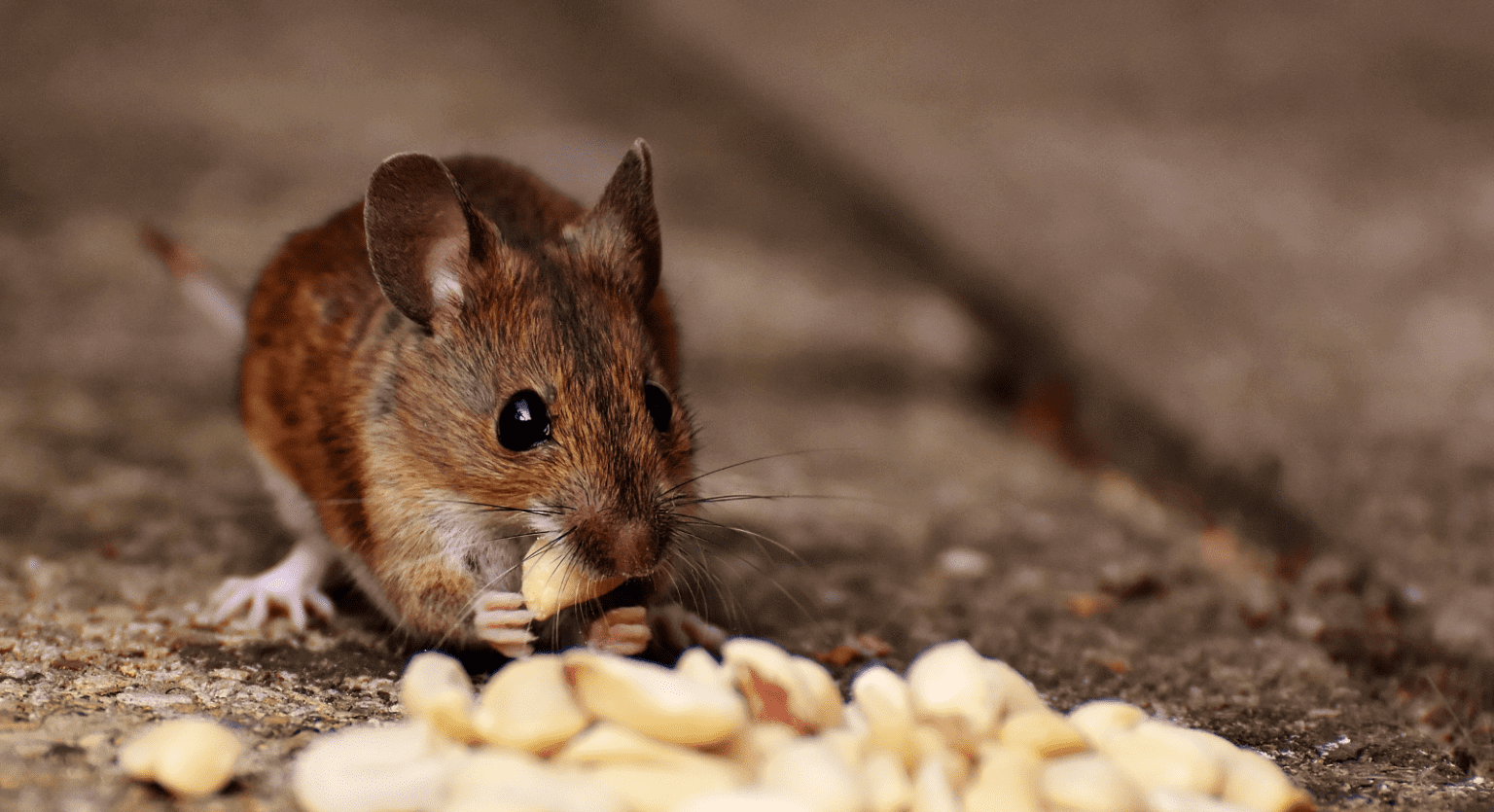
Rodent infestations in food storage areas are more than just a nuisance; they pose significant health risks. In Singapore’s competitive and tightly regulated food industry, overlooking a rodent problem can be devastating to your business. From stock losses to NEA penalties, the costs, both visible and hidden, can add up quickly.
In this article, we’ll explore why rodents are drawn to food storage environments, what the consequences of ignoring them are, and how professional pest control can help protect your reputation, revenue, and compliance.
Key Factors That Attract Rodents to Food Storage Areas
Food storage facilities, whether in warehouses, restaurants, or food processing plants, offer ideal conditions for rodent infestations. These environments typically provide:
- Easy access to food, especially unsealed or improperly stored goods
- Cluttered areas that serve as nesting sites
- Consistent warmth and moisture, ideal for rodent survival
- Low human activity, allowing rodents to roam undisturbed
In Singapore, the warm and humid climate further increases the appeal of these spaces to rodents, making proactive pest management even more essential.
If you’re noticing signs of rodent activity, it’s important to take action early. Explore professional rodent control solutions from the experts at Conquer Pest to protect your business and reputation.
Rodent Entry Risks in Food Storage Facilities
Rodent problems in food storage facilities often begin with small, unnoticed vulnerabilities. Even minor gaps in loading zones, damaged doors, or false ceilings can serve as entry points for rats and mice. These pests are surprisingly cunning, able to squeeze through tight spaces, avoid basic traps, and remain hidden while contaminating stock.
Left unaddressed, a rodent problem in food storage areas can escalate rapidly, causing contamination, product loss, and serious operational setbacks. Cluttered shelving, leaking pipes, and poor waste handling only make these environments more attractive to pests. Without early intervention, business continuity and compliance may be severely impacted.
Immediate Dangers of Rodent Infestations
Rodents can contaminate vast amounts of stored food with their droppings, urine, and fur. This not only results in loss of inventory but can also cause serious health risks, such as:
- Leptospirosis: Transmitted through urine, especially dangerous in humid environments.
- Salmonella: Spread through contaminated food surfaces and packaging.
- Hantavirus and rat-bite fever: Less common but still threats.
They also chew through packaging, insulation, and electrical wiring, which can lead to fire hazards and expensive repairs. Rodents reproduce quickly, turning a minor issue into a full-blown infestation within weeks.
The Hidden Costs of Rodent Infestations in Food Storage
1. Stock Losses
Rodents destroy more food than they consume. A small infestation can result in massive waste, especially in bulk storage areas where contamination can go unnoticed.
2. Reputation Damage
A single social media post showing a rat near your food products can erode years of customer trust. Reviews and NEA reports are public and permanent.
3. NEA Penalties and Forced Closures
In Singapore, the National Environment Agency (NEA) mandates high hygiene standards for food businesses. Repeated pest-related offences can lead to fines, suspension, or even business closure.
4. Higher Insurance Premiums
If insurers detect a high frequency of pest-related claims or damages, premiums may increase. Some may even exclude pest-related losses from your coverage.
To avoid these risks, consider a proactive approach through our general pest control services designed specifically for food-related businesses.
Why Professional Rodent Control Matters
Many business owners try to address the issue using DIY traps or over-the-counter baits. Unfortunately, this often offers only temporary relief.
Rodents are highly intelligent, adaptable, and capable of breeding rapidly. Only a comprehensive, strategic approach can truly eliminate them.
That’s where Integrated Pest Management (IPM) comes in. This involves:
|
|
|
|
Choosing a pest control provider like Conquer Pest ensures full NEA compliance and long-term rodent protection.

Preventive Measures for Food Storage Facilities
Even with professional help, your team plays a role in keeping rodents out. Here are some best practices:
- Seal all gaps and holes, especially near floors and corners
- Keep food in airtight containers
- Implement a stock rotation system to avoid long-term storage
- Maintain strict waste disposal routines
- Train staff to identify signs of infestation early (droppings, smell, bite marks)
Regular inspections and documentation also help with audits and NEA inspections.
Partnering with a Professional Rodent Control Provider
A reliable pest control partner does more than just remove rodents; they help prevent future infestations through strategic, long-term solutions. In Singapore’s tightly regulated food industry, this level of expertise is essential to maintaining hygiene, avoiding NEA penalties, and ensuring operational continuity.
Conquer Pest offers customised solutions tailored to your facility’s needs, including:
- Scheduled inspections
- Detailed service reports for NEA compliance
- Safe and effective rodent management
We understand that every food storage facility is unique, and our team is trained to operate with minimal disruption to your business.

Conclusion
Ignoring rodents in your food storage area could cost you far more than hiring a professional pest control team. From food contamination and lost stock to reputation damage and regulatory action, the risks are real and avoidable.
Take action before it’s too late. Visit Conquer Pest ot schedule an inspection or get a custom quote today.
[WPSM_AC id=7631]