
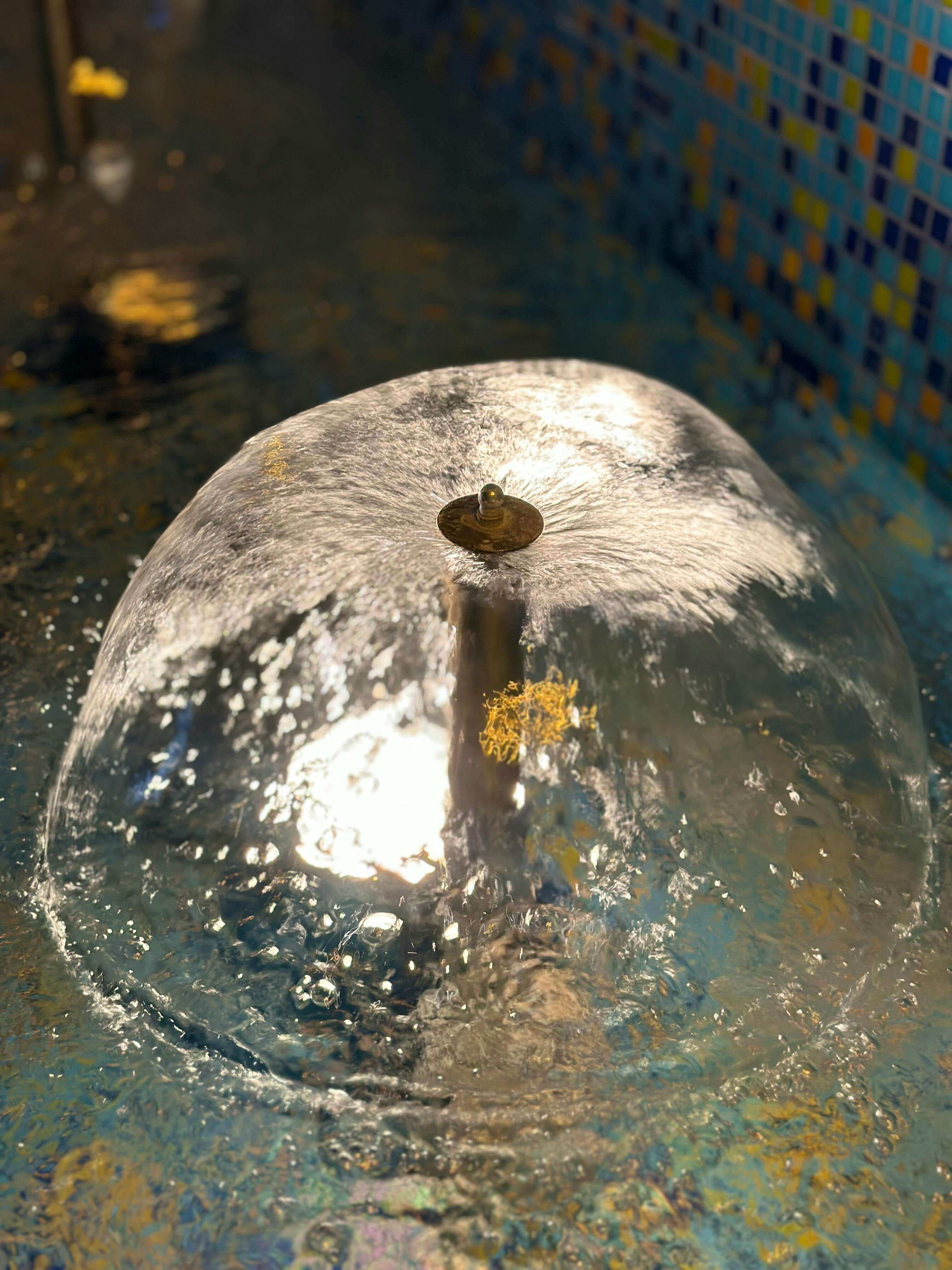
Water fountains are a lovely feature in any home or garden, but standing water can attract mosquitoes, turning a serene focal point into a nuisance or even a health risk. The good news is that with the right approach, you can enjoy your fountain while effectively preventing mosquito breeding. This post explores practical options and strategies for mosquito breeding prevention, helping you choose safe, effective measures for your space.
Understanding the mosquito problem in water features
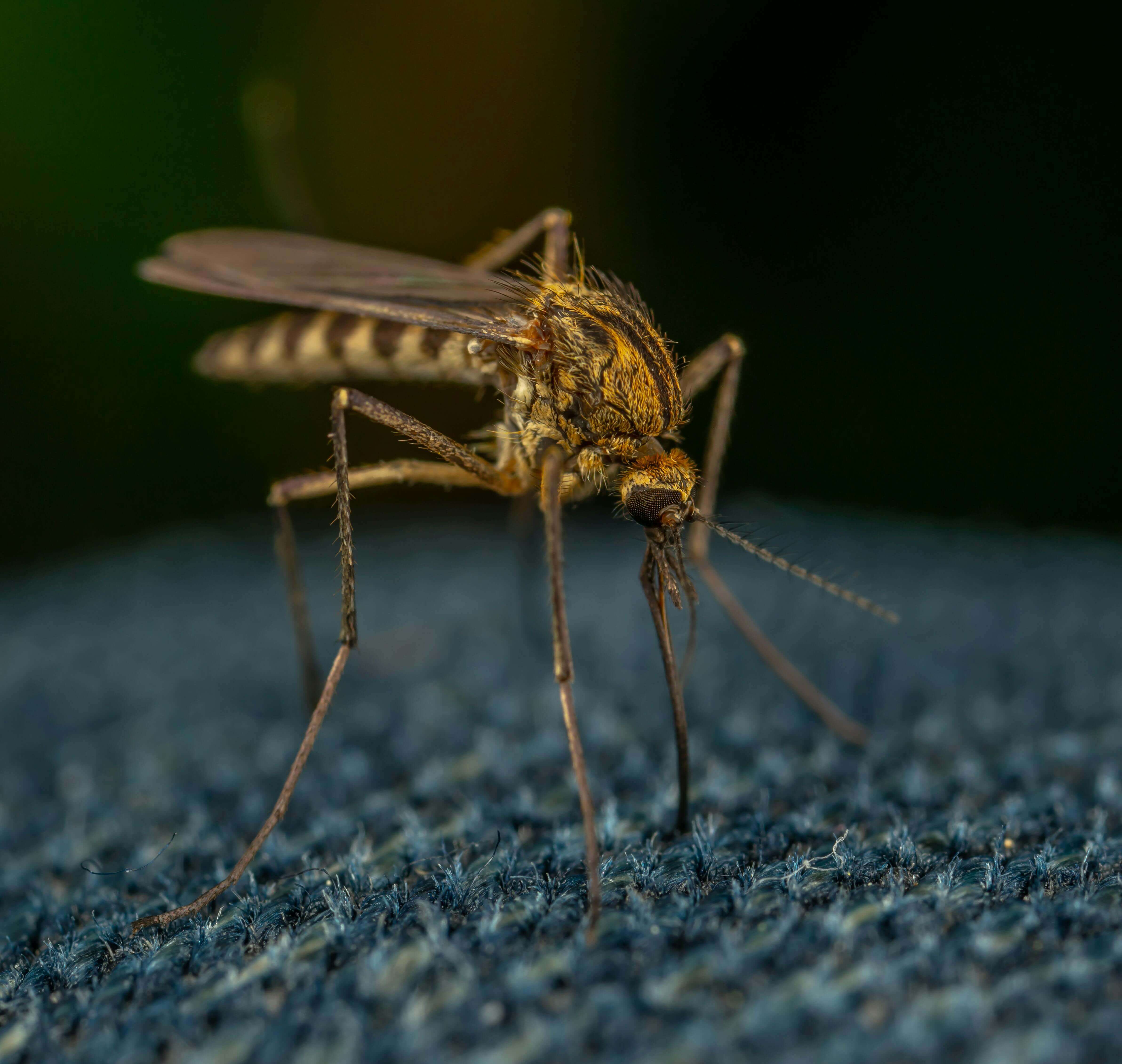
Mosquitoes lay eggs on the surface of standing water. The larvae, or wrigglers, develop in water before becoming biting adults. Even small amounts of stagnant water in a fountain can become a breeding site if it isn’t moving or circulating. Knowing this helps you tailor a prevention plan that keeps mosquitoes at bay without compromising the aesthetic or acoustic charm of your water feature.
Key factors that influence mosquito breeding:
- Stagnant or slow-moving water
- Debris or organic matter that provides food for larvae
- Warm temperatures that speed up development
- Shaded areas where water remains undisturbed
Practical, non-toxic options for mosquito breeding prevention
There are several approaches you can take, ranging from maintenance habits to safe deterrents. Always choose options that are appropriate for your environment and consider children and pets in the area.
Regular circulation and filtration
- Use a fountain pump that promotes continuous movement of the water.
- Install a small waterfall feature or air stones to keep the water surface agitated.
- Ensure the fountain runs for at least a portion of each day or continuously, depending on your setup.
- Clean and maintain filters and pumps to prevent biofilm buildup, which can attract pests.
Mechanical barriers and water management
- Keep the water level maintained and avoid pockets of still water.
- Install a small fountain cover or a lid for unused features to reduce mosquito access when the fountain isn’t running.
- Use a timer to ensure the fountain runs at intervals that prevent complete stagnation, without wasting energy.
Safe, natural deterrents and larvicides
- Beneficial bacteria products: Some products contain Bacillus thuringiensis israelensis (Bti), a naturally occurring bacterium that targets mosquito larvae without harming most other wildlife, pets, or humans. It’s sold in forms like dunks, briquettes, or pellets designed for water gardens and ponds. Follow label directions for application rates and frequency.
- Mosquito dunks or similar larvicides: These are often easy to apply to fountains and ponds and are generally considered safe when used as directed.
- Garlic or citrus-based scents: Some people use scents believed to deter mosquitoes. Results vary, and these are usually supplementary rather than primary controls.
- Plant-based repellents: Certain aquatic plants such as water hyacinths or cat-tails can influence the ecosystem in a way that reduces mosquito activity, though they do not replace other controls.
Physical barriers around the fountain
- Cover nearby containers or water features that could serve as breeding sites.
- Add netting or fine mesh screens to prevent mosquitoes from accessing the water when it’s exposed.
Environmental tweaks
- Position your fountain away from dense vegetation where mosquitos tend to rest during daytime.
- Keep yards well-trimmed and remove standing water in other containers nearby to reduce the Mosquito population in the vicinity.
Maintenance routine to sustain mosquito prevention
A consistent maintenance routine is essential for effective prevention. Consider a weekly checklist:
- Inspect for signs of larvae in the water and remove any visible debris.
- Check that the pump and filtration system are functioning correctly to ensure water movement.
- Replenish beneficial bacteria or larvicides according to the product instructions.
- Clean the fountain basin to prevent the buildup of algae and biofilm that can harbor larvae.
- Monitor water clarity; clear water often indicates good circulation, while stagnant patches deserve attention.
When to call in professionals
If you notice persistent mosquito problems despite your best efforts, or if your water feature is large or part of a commercial setting, consulting a pest management professional or a landscape expert can be prudent. They can assess the site, recommend targeted interventions, and ensure that any products used are appropriate for your environment.
Final thoughts
Preventing mosquito breeding in water fountains is about combining movement, maintenance, and careful use of safe, approved products. By ensuring continuous water circulation, controlling debris, and applying larvicides judiciously, you can enjoy a beautiful fountain while reducing the risk of mosquito breeding. Remember to select mosquito breeding prevention strategies that are safe for children, pets, and the local wildlife, and always follow label directions for any products you use. With a proactive approach, you’ll maintain a serene, mosquito-free water feature that enhances your space rather than compromising it.
FAQs
Yes, even small amounts of standing water can serve as breeding sites if the water is stagnant and unmaintained.
Regular water circulation, cleaning debris, and using safe larvicides like Bti mosquito dunks are effective and non-toxic methods.
They may help reduce mosquito activity, but they are generally supplementary and should be combined with circulation and larvicides for best results.
Weekly maintenance, including debris removal, pump checks, and larvicide replenishment, helps prevent mosquito breeding.
If mosquitoes persist despite preventive measures or if your fountain is large/commercial, a pest control or landscape expert can provide targeted solutions.