
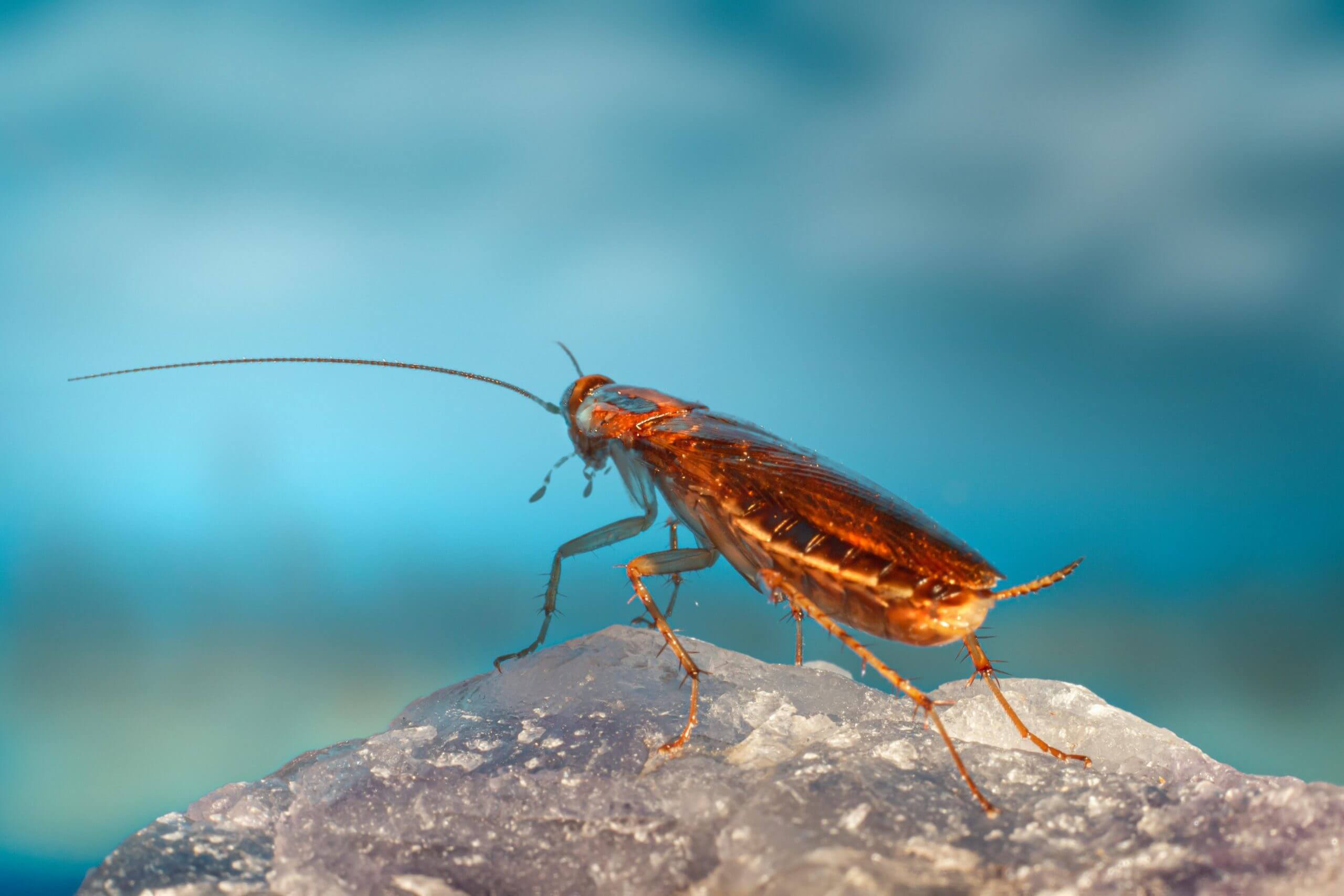
Cockroach infestations are a common nuisance in Singapore’s homes and businesses. It can be deeply frustrating to spot roaches even after a professional pest control service has treated your property. If you are wondering why these persistent pests keep appearing, you are not alone. Understanding the biology of cockroaches, the limits of pest control, and the importance of aftercare can help you achieve lasting results.
For expert advice or a tailored solution, visit Conquer Pest Management.
The Cockroach Life Cycle – Why Eggs Survive Treatment
One of the main reasons you may still see roaches after treatment is the resilience of cockroach eggs, or oothecae. Most professional pest control treatments—whether gel bait, spray, or fumigation—are highly effective against adult cockroaches and nymphs. However, cockroach eggs are protected by a tough casing that resists most pesticides. According to leading Singapore pest control experts, these eggs can hatch days or even weeks after treatment, introducing a new generation of roaches.
This is why professional pest control companies use insect growth regulators (IGRs) and recommend follow-up visits. IGRs disrupt the development of nymphs and prevent eggs from maturing into breeding adults. However, a single treatment is rarely enough. Follow-up visits are crucial to break the breeding cycle and achieve total eradication.
Learn more about cockroach control options at Conquer Pest’s Cockroach Service Page.
Increased Roach Activity After Treatment – What’s Normal?
It is actually quite normal to see more cockroaches immediately after a pest control treatment. The chemicals or baits disturb their hiding places, causing them to come out into the open. This spike in activity is a sign that the treatment is working. In most cases, this increased visibility will subside within a week or two as the population declines.
Hidden Food, Water, and Shelter – The Essentials for Cockroach Survival
Even the most thorough pest control will be undermined if food, water, and shelter are still available. Cockroaches can survive on tiny crumbs, water droplets, and hidden rubbish. Common oversights include food debris under appliances, leaky pipes in kitchens or bathrooms, and cluttered storage areas. Deep cleaning and ongoing hygiene are essential. Sealing bins, wiping surfaces daily, and fixing leaks will make your property less attractive to roaches.
Entry Points and Neighbourhood Factors
In Singapore’s high-rise flats and dense neighbourhoods, cockroaches often enter from outside. They can travel through drains, shared walls, bin chutes, and utility entry points. Even if your unit is spotless, neighbouring infestations or unsealed cracks can allow new roaches to enter. Landed properties face similar risks from gardens, drains, and outdoor rubbish areas. Sealing gaps, using door sweeps, and screening vents are all effective strategies.
What to Do if You Still See Roaches After Pest Control
If you continue to see cockroaches after treatment, here’s what you should do:
- Follow aftercare instructions: Wait until treated areas are dry before cleaning, and avoid using harsh chemicals that might neutralise baits or sprays.
- Deep clean your property: Remove all food and water sources, and declutter storage spaces.
- Seal entry points: Use caulk or filler to block cracks, gaps, and utility holes.
- Monitor activity: Use glue traps or visual checks to track where roaches are still appearing.
- Schedule a follow-up: Contact your pest control provider for a second visit to address newly hatched nymphs and hidden nests. Contact Conquer Pest for a free follow-up check if you’re still seeing roaches.
How Professional Pest Control Ensures Lasting Results
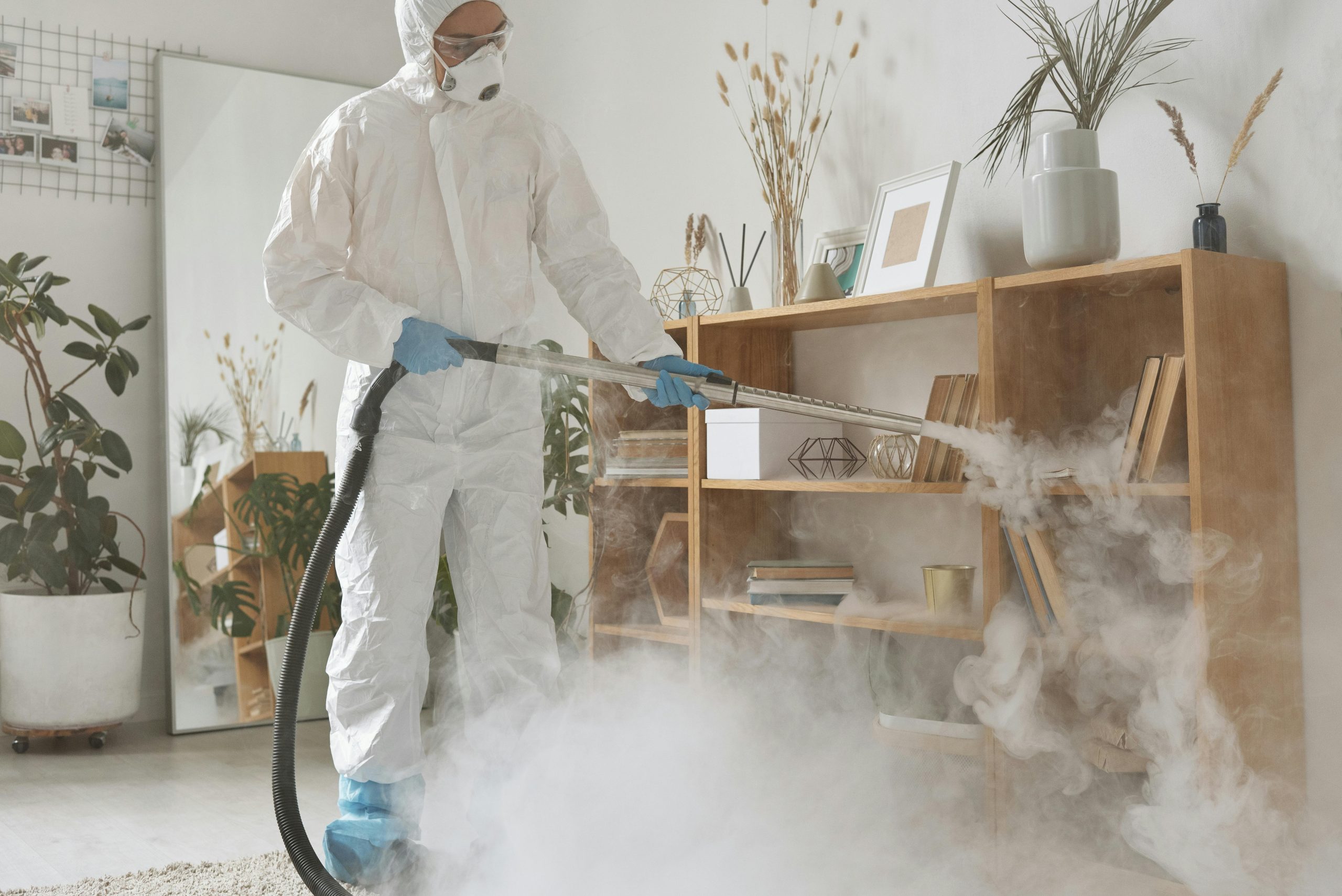
DIY approaches can help with minor cases, but persistent or recurring infestations require professional intervention. NEA-approved pest control companies in Singapore use a combination of gel baits, sprays, IGRs, and monitoring to ensure long-term results. Customised plans, regular follow-ups, and targeted treatments are far more effective than one-off solutions. Professional teams also provide advice on prevention and aftercare tailored to your property’s needs.
Preventing Future Cockroach Infestations
Once the immediate infestation is under control, prevention is key. Here are some tips:
- Maintain strict hygiene—wipe counters and floors daily.
- Store food in sealed containers and empty bins regularly.
- Fix leaks and remove standing water.
- Seal cracks, gaps, and utility entry points.
- Educate household members or staff on best practices.
- Schedule periodic professional inspections for peace of mind.
Conclusion
Seeing cockroaches after pest control does not mean the treatment has failed. Cockroach eggs, hidden food and water, and unsealed entry points are the main reasons for recurrence. With proper aftercare, follow-up treatments, and a focus on hygiene and prevention, you can achieve lasting results. For expert help and a free assessment, contact Conquer Pest Management today.
Frequently Asked Questions
1. How long does it take for cockroach treatment to work?
Most treatments show visible results within 24 to 72 hours, but complete elimination may take two to four weeks, depending on the severity and property type.
2. Is it normal to see more cockroaches after pest control?
Yes, increased roach activity is common immediately after treatment as hidden cockroaches are flushed out. This should decrease within one to two weeks.
3. What should I do after cockroach pest control?
Follow your pest controller’s instructions, avoid cleaning treated areas too soon, maintain hygiene, and remove food and water sources. Monitor for activity and schedule follow-ups if needed.
4. Can cockroach eggs survive professional treatment?
Yes, cockroach eggs are highly resilient and may hatch after treatment. That’s why follow-up visits and IGRs are essential for complete eradication.
5. When should I book a follow-up pest control visit?
If you see continued activity two to three weeks after treatment, or if nymphs start appearing, book a follow-up visit promptly.